
Rice Bran Oil Exporter from Thailand
Rice bran oil supplier Thailand — wholesale Thai rice bran oil direct from Jit Aree Oil. Bulk RBD from $1,050/MT FOB Bangkok. Smoke point 254°C — the highest of any common cooking oil. Gamma-oryzanol 1–2% (the natural cholesterol-lowering antioxidant found only in rice bran oil). Thai rice bran oil FOB price: from $1,050/MT flexitank. FFA ≤0.5%, Halal CICOT, HACCP, ISO 9001. Rice bran oil wholesale in flexitank 20 MT, HDPE drums & private-label bottles. 65+ countries. CIF quote in 4 hours.
- FOB / CIF Available
- 20ft & 40ft Containers
- Private Label Packaging
- COA / SGS / Phytosanitary
- Global Export Documentation
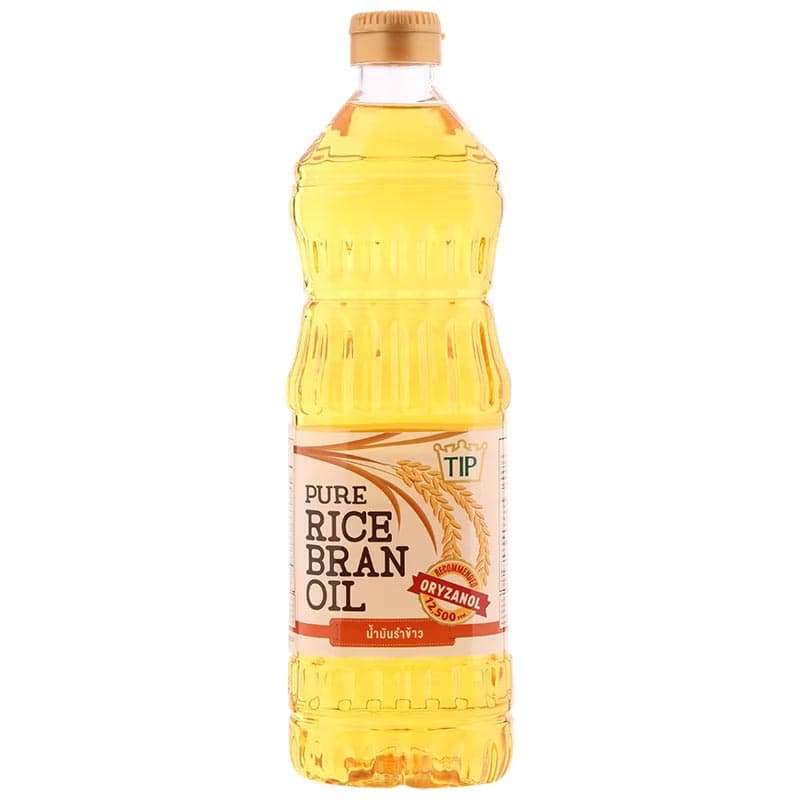
Halal & HACCP Certified
Trusted across 65+ countries
Rice Bran Oil Export Snapshot
The key buyer information at a glance.
1x 20ft container (approximately 20 MT)
1L–25L, drums, flexitank, bulk
FOB, CIF, CFR, Ex-Works
10–14 working days
Invoice, PL, COA, B/L, Phyto, SGS
Available (OEM)
Product Overview
Best For
- Commercial frying & food service operations
- Healthy cooking oil retail brands
- Food manufacturing & blending
- Nutraceutical & oryzanol supplement producers
- Salad oil & dressing (dewaxed grade)
- Private-label health food bottling
Available Grades
- RBD Rice Bran Oil (Standard)
- High-Oryzanol RBD Rice Bran Oil
- Dewaxed RBD Rice Bran Oil
- Crude Rice Bran Oil (CRBO)
Export Options
- Bulk flexitank 20 MT (lowest cost per MT)
- HDPE drums 200L (~80–85 drums per 20ft)
- Jerry cans (10L, 20L)
- Retail bottles (1L–5L private label)
- Crude RBD for refinery buyers
Detailed Product Description+
Jit Aree rice bran oil is extracted from premium Thai rice bran and refined to deliver a light-coloured, exceptionally stable cooking oil with three properties that no other bulk vegetable oil offers simultaneously: a smoke point of 254°C (the highest of any commonly traded edible oil), gamma-oryzanol content of 1–2% (10,000–20,000 ppm), and a balanced fatty acid profile suited to both frying and cold applications. Thailand is the world's leading exporter of rice bran oil — a natural consequence of its dominant rice milling industry, which produces vast quantities of fresh rice bran as a milling byproduct. Jit Aree sources fresh, stabilised rice bran from Thai mills and processes it through a full refining cycle: degumming, neutralisation, bleaching, dewaxing, and deodorisation. The result is an RBD (Refined, Bleached, Deodorised) rice bran oil with smoke point 254°C, FFA ≤0.5%, peroxide value ≤2.0 meq/kg, and retained gamma-oryzanol ≥8,000 ppm (standard grade) or ≥10,000 ppm (premium high-oryzanol grade). Why buyers choose rice bran oil from Thailand: 1. **Highest smoke point of any bulk cooking oil (254°C)** — Rice bran oil's 254°C smoke point outperforms palm olein (~232°C), soybean oil (~232°C), and sunflower oil (~230°C). For commercial fryers and food manufacturers, this means the oil degrades more slowly at frying temperatures, producing less smoke, fewer harmful oxidation compounds, and a measurably longer fry life. Commercial food service operations report 20–30% reduction in oil consumption when switching from soybean oil to rice bran oil for continuous frying. 2. **Gamma-oryzanol — a unique health differentiator** — Gamma-oryzanol is a mixture of ferulic acid esters of plant sterols, found almost exclusively in rice bran oil. Clinical studies associate dietary gamma-oryzanol at 300mg/day with 10–15% LDL cholesterol reduction. Retail brands use oryzanol content as a key health claim differentiator in markets where 'heart-healthy' cooking oil is a growth segment (Japan, South Korea, India, Australia, US health food). 3. **Balanced fatty acid profile** — Approximately 38% oleic acid (omega-9 monounsaturated), 35% linoleic acid (omega-6 polyunsaturated), and 22% palmitic acid (saturated). This balance delivers better frying stability than high-PUFA oils like soybean or sunflower, while remaining liquid and pourable at room temperature — unlike palm oil, which solidifies below ~18°C. 4. **Complete export documentation** — Every shipment includes: Certificate of Analysis (COA) from an accredited Thai laboratory with AOCS test methods, Halal Certificate (CICOT Thailand), Health Certificate, SGS pre-shipment inspection report, and Certificate of Origin for ASEAN preferential tariff (Form D, 0% import duty in ASEAN member states). Available grades: RBD refined (standard food export), High-Oryzanol RBD (premium retail), Dewaxed RBD (salad oil and cold-chain retail), and Crude Rice Bran Oil (refinery input). Packaging: bulk flexitank (20 MT per 20ft container, lowest cost per MT), 200L HDPE drums, 20L jerry cans, and private-label 1L–5L retail bottles. Minimum order: 1 × 20ft container (~20 MT). FOB Bangkok pricing from $1,050/MT. Lead time: 10–14 working days.
Available Rice Bran Oil Grades
Compare grades for international export and bulk supply, then request the one that fits your market.
RBD Rice Bran Oil (Standard)
- Best Use
- Food manufacturing, commercial frying, food service, margarine
- Key Specification
- Oryzanol ≥8,000 ppm | FFA ≤0.5% | Smoke point 254°C
- Packaging
- Flexitank, 200L drums, jerry cans
High-Oryzanol RBD Rice Bran Oil
- Best Use
- Premium retail, health food brands, nutraceutical manufacturers
- Key Specification
- Oryzanol ≥10,000 ppm (1–2%) | FFA ≤0.5% | Smoke point 254°C
- Packaging
- Flexitank, drums, retail bottles
Dewaxed RBD Rice Bran Oil
- Best Use
- Salad oil, cold-chain retail, dressings, premium bottled cooking oil
- Key Specification
- Cloud point ≤5°C | FFA ≤0.1% | Crystal-clear at refrigerator temperature
- Packaging
- Retail bottles (1L–5L), drums
Crude Rice Bran Oil (CRBO)
- Best Use
- Refinery input, oryzanol extraction, industrial processing
- Key Specification
- FFA ≤5% (premium crude) | Oryzanol ≥2% | Phosphorus ≤200 ppm
- Packaging
- Flexitank, bulk tanker
Technical Specifications
Typical refined-grade parameters. Full Certificate of Analysis (COA) available on request.
Download Rice Bran Oil Spec Sheet (PDF)| Parameter | Specification |
|---|---|
| Gamma-Oryzanol (Standard RBD) | ≥ 8,000 ppm (0.8–1.0%) |
| Gamma-Oryzanol (Premium High-Oryzanol) | ≥ 10,000 ppm (1.0–2.0%) |
| Free Fatty Acid (FFA) | ≤ 0.5% (standard) / ≤ 0.1% (premium dewaxed) |
| Iodine Value (Wijs) | 99–108 g I₂/100g |
| Smoke Point | 254°C — highest of any common cooking oil |
| Moisture & Impurities | ≤ 0.05% |
| Color (Lovibond 5¼" cell) | ≤ 3.0 Red |
| Peroxide Value | ≤ 2.0 meq/kg |
| Saponification Value | 180–195 mg KOH/g |
| Oleic Acid (Omega-9) | ~38% |
| Linoleic Acid (Omega-6) | ~35% |
| Palmitic Acid (Saturated) | ~22% |
| Cloud Point (Dewaxed grade) | ≤ 5°C (clear at refrigerator temperature) |
| Indicative FOB Price (Flexitank 20 MT) | From $1,050/MT |
Packaging Options
From retail bottles to bulk flexitank — choose the format that suits your market and logistics.
1L, 2L, 5L retail bottles
10L, 20L jerry cans
25L, 200L HDPE drums
Flexitanks (20 MT/20ft)
Bulk tanker
Private label OEM bottling
Private label / OEM
Commercial Terms
FOB Supply
FOB Bangkok / Laem Chabang for buyers arranging their own ocean freight.
CIF & CFR Quotation
CIF / CFR to your destination port — sea freight and insurance handled by us.
Minimum Order (MOQ)
1x 20ft container (approximately 20 MT)
Payment Terms
L/C at sight, T/T 30/70, or CAD for established trading partners.
Lead Time
10–14 working days
Inspection Support
SGS / third-party pre-shipment inspection arranged on request.
For an accurate quotation, send your destination port, required grade, packaging size, quantity, and any private-label requirements.
Documents & Certifications
A complete, compliant document package prepared for your customs clearance.
Final documentation depends on destination country, buyer requirements, product grade, and inspection requirements.
Manufactured under certified standards
Applications & Use Cases
Buyer Guides & Comparisons
Quick answers to help you choose the right product.
Rice bran oil technical specification for export-grade RBD (Refined, Bleached, Deodorized) from Thailand: | Parameter | Rice Bran Oil Spec | Test Method | |---|---|---| | Free Fatty Acid (FFA) | ≤ 0.5% | AOCS Ca 5a-40 | | Iodine Value (Wijs) | 99–108 g I₂/100g | AOCS Cd 1-25 | | Smoke Point | 254°C | AOCS Cc 9a-48 | | Gamma-Oryzanol | 1–2% (10,000–20,000 ppm) | HPLC | | Moisture & Impurities | ≤ 0.05% | AOCS Ca 2b-38 | | Color (Lovibond 5¼" cell) | ≤ 3.0 Red | AOCS Cc 13b-45 | | Peroxide Value | ≤ 2.0 meq/kg | AOCS Cd 8b-90 | | Saponification Value | 180–195 mg KOH/g | AOCS Cd 3-25 | | Oleic Acid (Omega-9) | ~38% | GC fatty acid profile | | Linoleic Acid (Omega-6) | ~35% | GC fatty acid profile | | Palmitic Acid | ~22% | GC fatty acid profile | All rice bran oil shipments from Jit Aree include a full Certificate of Analysis (COA) per lot from an accredited Thai laboratory. The high smoke point of 254°C makes it one of the most heat-stable edible oils available, while the 1–2% oryzanol content provides a unique health differentiator not found in palm or soybean oil. Contact our export team to request a sample specification data sheet.
Edible oil importers often compare rice bran oil against palm olein and soybean oil. Here is a direct head-to-head comparison table across key buyer criteria: | Criterion | Rice Bran Oil | Palm Olein (RBD CP8) | Soybean Oil (RBD) | |---|---|---|---| | Smoke Point | 254°C | ~232°C | ~232°C | | FFA (export grade) | ≤ 0.5% | ≤ 0.1% | ≤ 0.05% | | Iodine Value | 99–108 | 56–60 | 124–139 | | Oryzanol | 1–2% (unique) | None | None | | Saturated Fat | ~22% | ~49% | ~16% | | Polyunsaturated Fat | ~35% | ~10% | ~58% | | Monounsaturated Fat | ~38% | ~40% | ~24% | | FOB Bangkok 2026 | $1,050–1,250/MT | $780–900/MT | $950–1,100/MT | | Health Claim Strength | Highest (oryzanol, tocotrienols) | Medium | Medium | | Best Application | Healthy frying, retail, nutraceutical | Commercial frying, manufacturing | Salad dressing, retail cooking oil | Rice bran oil's 254°C smoke point — higher than both palm olein and soybean oil — means it lasts longer in commercial fryers, reducing oil change frequency. The 1–2% oryzanol content is scientifically linked to LDL cholesterol reduction, making it a premium ingredient for health-positioned food brands. All three oils are available from Jit Aree Oil — contact us for a combined FOB price sheet.
Rice bran oil is extracted from the outer bran layer of rice (Oryza sativa) during milling. Thailand is the world's largest exporter of rice bran oil — a natural byproduct of Thailand's dominant rice milling industry — which makes Thai rice bran oil the benchmark for quality and price globally. This buyer guide covers the key purchasing parameters for edible oil importers and food manufacturers evaluating rice bran oil from Thailand. **Key quality parameters to request in your Certificate of Analysis (COA):** (1) Gamma-Oryzanol content — the primary differentiator of rice bran oil versus other cooking oils. High-quality Thai rice bran oil contains 1–2% oryzanol (10,000–20,000 ppm), which acts as a natural antioxidant, reduces LDL cholesterol, and extends shelf life. (2) Free Fatty Acid (FFA) ≤ 0.5% for refined grades. (3) Smoke point 254°C — one of the highest among all vegetable cooking oils, making rice bran oil exceptionally stable for deep frying and repeated commercial frying. (4) Iodine value 99–108 g I₂/100g, reflecting a balanced fatty acid profile: ~38% oleic, ~35% linoleic, ~22% palmitic. (5) Moisture & Impurities ≤ 0.05%. **Pricing:** FOB Bangkok pricing for refined RBD rice bran oil from Thailand in 2026 starts from $1,050/MT in flexitank quantities (20 MT per 20ft container). This is higher than palm olein or soybean oil but lower than most premium specialty oils — positioning rice bran oil as a mid-tier 'healthy oil' for retail and foodservice markets. Private-label retail bottles (1L–5L) are available from the same MOQ of 20 MT with custom label design included. **Shipping:** Bulk flexitank (20 MT per 20ft) is the lowest cost-per-MT option. HDPE drums (200L, ~80–85 drums per 20ft) and jerry cans (20L) are used for smaller quantities. Lead time from order confirmation to container loading at Laem Chabang: 10–14 working days.
Rice bran oil price per metric ton (MT) from Thailand in 2026: RBD refined rice bran oil FOB Bangkok starts from $1,050/MT in ISO flexitank (20 MT per 20ft container). HDPE drum format (200L drums) is priced at $1,150–$1,300/MT FCL. Premium high-oryzanol grade (≥10,000 ppm oryzanol) commands a $100–150/MT premium over standard RBD grade. Non-GMO certified rice bran oil is available on request with a price premium. Rice bran oil is more expensive than palm olein ($780–900/MT FOB) and soybean oil ($950–1,100/MT FOB) — the premium reflects its unique oryzanol content, limited global supply (tied to rice milling capacity), and strong health positioning. For current pricing and a CIF quotation to your destination port, contact Jit Aree Oil's export team — response within 4 hours.
Yes — rice bran oil is one of the best oils available for frying, for three key reasons: (1) Smoke point of 254°C — higher than most cooking oils including palm olein (~232°C), soybean oil (~232°C), and sunflower oil (~230°C). A higher smoke point means the oil resists breaking down at frying temperatures, producing less smoke and fewer harmful compounds. (2) High oryzanol content (1–2%) — gamma-oryzanol is a natural antioxidant unique to rice bran oil. It reduces oil oxidation during frying, extending the usable life of the frying oil by an estimated 20–30% compared with soybean oil. This directly reduces oil costs in commercial kitchens and food manufacturing. (3) Balanced fatty acid profile — approximately 38% oleic (monounsaturated), 35% linoleic (polyunsaturated), and 22% palmitic (saturated). This balance makes rice bran oil more frying-stable than high-polyunsaturated oils like soybean or sunflower, while remaining liquid and pourable unlike palm oil at cooler temperatures. Rice bran oil is the preferred frying oil in Japan, South Korea, and many Asian food service operations. For large-volume commercial frying applications, rice bran oil in bulk flexitank from Thailand (20 MT / 20ft container) offers the best combination of quality and cost. Contact Jit Aree Oil for a FOB Bangkok or CIF price quotation.
Understanding the rice bran oil refining process helps buyers evaluate quality claims and verify that a supplier's finished product meets export-grade specifications. Thailand is the world's leading producer of rice bran oil — a direct consequence of its dominant rice milling industry, which generates the raw rice bran feedstock used to extract this specialty oil. **Stage 1: Rice Bran Extraction and Stabilisation** Fresh rice bran is a byproduct of the rice milling process, separated when the outer brown layer of rice grain (bran) is removed to produce white rice. Raw rice bran contains 15–22% oil by weight. The critical challenge is rapid enzymatic activity: lipase enzymes in fresh rice bran hydrolyse the oil within hours of milling, rapidly raising the free fatty acid (FFA) content and degrading quality. To prevent this, Thai rice bran oil producers stabilise fresh bran immediately using extrusion cooking or steam treatment (105–120°C) that inactivates the lipase enzymes. Stabilised bran with FFA below 5% produces the highest-quality crude rice bran oil. Destabilised or old bran with FFA above 15% is only suitable for industrial uses. **Stage 2: Crude Rice Bran Oil Extraction** Stabilised rice bran is processed by solvent extraction (hexane) or expeller pressing (mechanical). Solvent extraction achieves 95%+ oil recovery — the commercial standard for bulk export production. The crude extract — crude rice bran oil (CRBO) — contains 15–20% FFA (from any destabilisation), plus waxes, gums (phospholipids), pigments, and oryzanol. At this stage, crude rice bran oil is dark-coloured and bitter-tasting but already contains the full gamma-oryzanol complement (1–2.5%). **Stage 3: Degumming** Crude rice bran oil contains 1–3% phospholipids (gums) that cause turbidity and processing challenges. Degumming with water or phosphoric acid removes these gums, reducing phosphorus content from 500–1,000 ppm to below 50 ppm — a requirement for efficient downstream refining. **Stage 4: Neutralisation (FFA Removal)** Neutralisation with sodium hydroxide (caustic soda) reduces the high FFA content of crude rice bran oil down to below 0.5% for refined grade. This is the most critical step for rice bran oil — the high FFA in crude CRBO requires careful dosing to avoid soap formation and excessive oil losses. The resulting 'neutralised' oil has FFA ≤0.5% and is ready for bleaching. **Stage 5: Bleaching** Neutralised oil is treated with activated bleaching earth and carbon to adsorb pigments, residual soaps, trace metals, and degradation products. Bleaching produces a lighter-colored oil (≤3.0 Red Lovibond). Importantly, bleaching partially reduces the oryzanol content — a key quality concern for high-oryzanol premium grades. Jit Aree monitors oryzanol retention carefully to deliver ≥8,000 ppm (0.8–1.0%) in standard grade and ≥10,000 ppm (1.0–2.0%) in high-oryzanol grade. **Stage 6: Dewaxing (Winterisation)** Rice bran oil contains waxes (0.5–2%) that cause cloudiness when the oil is cooled below 15°C — a significant commercial issue for retail and dressing applications. Dewaxing (also called winterisation) chills the oil to 5–10°C and filters out the crystallised waxes. Dewaxed rice bran oil remains clear and bright at refrigerator temperature — essential for salad oil, dressing, and health food retail applications. **Stage 7: Deodorisation** The final refining step uses high-temperature steam distillation under vacuum (240–260°C, 2–5 mmHg) to strip volatile compounds responsible for off-flavours and odours. Deodorisation also eliminates residual FFA (to ≤0.05%) and oxidation products, producing the light, bland-tasting RBD rice bran oil with smoke point 254°C. **Quality at Each Stage — What Buyers Should Verify:** FFA ≤0.5% (refined grade), oryzanol ≥8,000 ppm minimum (≥10,000 ppm for premium grade), peroxide value ≤2.0 meq/kg, moisture ≤0.05%, and colour ≤3.0 Red. Jit Aree provides batch-specific COA with AOCS test methods for each parameter. Contact our export team for the complete technical data sheet and refining process documentation.
Free Fatty Acid (FFA) content is the single most important quality parameter for rice bran oil — more critical than for most other vegetable oils — because raw rice bran degrades rapidly after milling, and poor stabilisation or old feedstock directly produces high-FFA crude oil that is difficult to refine to export grade. **FFA standards by grade:** | Grade | FFA % | Application | |---|---|---| | Crude Rice Bran Oil (CRBO) — premium | ≤ 5% | Refinery input, highest quality crude | | Crude Rice Bran Oil (CRBO) — standard | 5–15% | Refinery input, industrial uses | | Crude Rice Bran Oil (CRBO) — low grade | > 15% | Soap manufacture, PFAD-equivalent | | Neutralised Rice Bran Oil | ≤ 1.0% | Intermediate refining stage | | RBD Rice Bran Oil (refined grade) | ≤ 0.5% | Food export standard, Codex Alimentarius | | High-Purity RBD (premium retail) | ≤ 0.1% | Premium health food and salad oil | **Why FFA is high in rice bran oil:** Unlike palm oil (where FFA develops slowly post-harvest) or soybean oil (where FFA is naturally low in the seed), rice bran is uniquely vulnerable to enzymatic hydrolysis. Lipase enzymes present in the bran begin breaking down oil into FFA within 4–8 hours of milling at ambient temperature. If bran is not stabilised immediately (via extrusion or steam), FFA rises to 10–30% within days — making it uneconomical to refine to food grade. Thailand's industrial-scale rice bran oil production uses continuous extrusion stabilisation within the mill, maintaining FFA below 5% in the crude extract. **Impact of FFA on refining yield:** Every 1% FFA in crude rice bran oil requires approximately 1.25 kg of caustic soda to neutralise and generates approximately 1.3 kg of soap (soapstock), which is removed as a refining loss. High-FFA crude bran (15% FFA) therefore results in approximately 20% refining losses versus only 5–8% for low-FFA crude (3–4% FFA). This is why FFA in crude rice bran oil directly determines the ex-factory cost of refined grade. **What to request on a COA for FFA:** Test method AOCS Ca 5a-40 or AOCS Cd 3d-63 (Acid Value). Reject any COA that does not specify the test method — and cross-check: Acid Value (mg KOH/g) = FFA (%) × 1.99 for oleic acid equivalent. For export-grade RBD rice bran oil, the Jit Aree standard is FFA ≤0.5% with batch COA provided per lot. For the premium dewaxed grade for salad oil applications, FFA ≤0.1% is available on request. Contact Jit Aree Oil's export team for a current COA sample and FOB Bangkok pricing for RBD and crude rice bran oil grades.
Rice bran oil's unique combination of a high smoke point (254°C), balanced fatty acid profile, high oryzanol content (1–2%), and light color makes it suitable across a wider range of applications than most vegetable oils. This guide covers the key application sectors for bulk rice bran oil importers. **1. Commercial Frying & Food Service** The primary application globally. Rice bran oil's 254°C smoke point — the highest of any commonly used cooking oil — makes it the preferred frying medium for commercial kitchens, hotel chains, fast food operators, and institutional catering across Japan, South Korea, India, and Southeast Asia. Key advantage over soybean oil: the 1–2% gamma-oryzanol acts as a natural antioxidant that inhibits oil polymerisation during repeated frying, extending oil life by an estimated 20–30% and reducing oil consumption costs. Specification for frying applications: RBD grade, FFA ≤0.5%, oryzanol ≥8,000 ppm. **2. Retail Cooking Oil & Health Food** Premium retail cooking oil segment — particularly strong in Japan (world's largest rice bran oil market per capita), South Korea, Taiwan, Australia, and the US health food sector. Retail positioning centres on: high smoke point for versatile cooking, naturally high oryzanol (antioxidant, cholesterol-lowering claims), vitamin E content, and clean taste. For premium retail, Jit Aree supplies dewaxed RBD rice bran oil (cloud-free at refrigerator temperature) in private-label 1L–5L bottles with custom label design. **3. Salad Oils & Dressings** Dewaxed rice bran oil remains crystal-clear at low temperatures — a critical requirement for salad dressings, vinaigrettes, and cold-pressed condiment products that are stored in refrigerators. Standard (non-dewaxed) rice bran oil clouds at 15°C — unsuitable for cold applications. Dewaxed grade specification: cloud point ≤5°C, FFA ≤0.1%, colour ≤2.0 Red. **4. Margarine & Shortening Manufacturing** Rice bran oil's balanced fatty acid profile (38% oleic, 35% linoleic, 22% palmitic) makes it compatible with margarine and shortening formulations — particularly in Asian markets where lower-saturate margarines are preferred. Hydrogenated rice bran oil (where trans fats are tolerated) or interesterified blends with palm stearin achieve the required solid fat content. **5. Nutraceutical & Health Supplement** Gamma-oryzanol is extracted from crude rice bran oil and sold as a dietary supplement — scientifically linked to LDL cholesterol reduction (studies show 10–15% LDL reduction at 300mg/day), athletic performance, and menopausal symptom relief. High-oryzanol crude rice bran oil (oryzanol ≥2%, from low-FFA fresh bran) is supplied to oryzanol extraction processors. Refined rice bran oil with retained oryzanol (≥10,000 ppm) is used in functional foods, protein bars, and health-positioned cooking oils. **6. Cosmetics & Personal Care** Refined rice bran oil is used in skincare formulations — moisturisers, sunscreens, anti-aging serums, and hair care products — for several reasons: (a) Skin penetration: the small molecular size of gamma-oryzanol and ferulic acid (a polyphenol in rice bran oil) allows deep skin penetration; (b) UV absorption: ferulic acid absorbs UV radiation at 290–330 nm, providing natural SPF enhancement; (c) Antioxidant protection: tocopherols and oryzanol reduce oxidative stress in skin cells; (d) Non-comedogenic: rice bran oil does not clog pores (comedogenicity rating 2/5), suitable for acne-prone skin formulations. For cosmetic applications, Jit Aree supplies RBD rice bran oil with full cosmetic-grade COA including peroxide value ≤2.0 meq/kg, colour, and heavy metal testing. **7. Soap & Oleochemical Manufacturing** Crude rice bran oil with high FFA (>15%) is used in soap manufacturing as an alternative to tallow or coconut oil fatty acids. Rice bran soap produces a firm bar with conditioning properties from natural oryzanol. PFAD-equivalent fractions from rice bran oil refining (soapstock) are used in animal feed, biodiesel, and fatty acid production. For application-specific grade recommendations and pricing, contact Jit Aree Oil's export team. We provide grade-specific proforma invoices with technical data sheets and COA samples within 4 hours of inquiry.
**What are the health benefits of rice bran oil?** Rice bran oil has three unique health properties: (1) Gamma-oryzanol 1–2% — found almost exclusively in rice bran oil, this mixture of ferulic acid esters of plant sterols is associated with 10–15% LDL cholesterol reduction at 300mg/day in clinical studies. No other common cooking oil contains significant oryzanol. (2) Highest smoke point at 254°C — higher than palm olein, soybean, and sunflower oil — meaning less oil degradation and fewer harmful oxidation compounds at frying temperatures. (3) Balanced fatty acid profile (~38% oleic, ~35% linoleic, ~22% palmitic) — lower in polyunsaturated fat than soybean oil (making it more frying-stable), lower in saturated fat than palm oil. **How does rice bran oil price compare to soybean oil?** Rice bran oil FOB Bangkok 2026: $1,050–$1,250/MT (RBD flexitank) — approximately $200/MT premium over soybean oil ($850–$1,000/MT). This premium is justified for commercial frying (oil lasts 20–30% longer, reducing total oil cost), health retail (oryzanol claims command premium shelf pricing), and nutraceutical applications. **What is rice bran oil used for vs soybean oil?** For commercial deep frying and health retail, rice bran oil is preferred for its 254°C smoke point and oryzanol. For salad dressings, mayonnaise, and Non-GMO retail, soybean oil is preferred for its omega-3 content, neutral flavor, and lower cost. For buyers sourcing multiple oils, Jit Aree consolidates soybean oil manufacturer Thailand, sunflower oil, and rice bran oil in a single shipment — contact our export team for a combined FOB price sheet covering all three oils.
Jit Aree supplies rice bran oil from Thailand in five packaging formats, matching every buyer profile from large refinery input to premium retail: **1. Bulk Flexitank (20 MT per 20ft container) — Lowest Cost Per MT** A food-grade single-use bladder installed inside a standard 20ft container. Holds 18,000–24,000 litres of rice bran oil. Pump offloading required at destination. Best for: refineries, large food manufacturers, distributors with bulk storage. FOB price from $1,050/MT. **2. 200L HDPE Drums (≈ 80–85 drums per 20ft FCL)** Food-grade high-density polyethylene drums, UN-rated, palletized. Net fill: approximately 185–190 kg per drum. Best for: distributors without bulk offloading, buyers splitting into smaller lots, importers in markets with limited port infrastructure. FOB price from $1,150–$1,250/MT. **3. 20L Jerry Cans (≈ 880 units per 20ft FCL)** HDPE food-grade jerry cans with tamper-evident closure. Net fill: 18 kg. Best for: small distributors, HORECA suppliers, FMCG buyers. Available in natural or custom color with private-label printing. **4. Retail Bottles — 1L, 2L, 5L PET (Private Label / OEM)** Full private-label bottling service with custom label design, bottle shape selection, and carton pack configuration. Lead time: 14–21 working days from label artwork approval. Best for: retail brands, supermarket private-label buyers, health food distributors. MOQ per SKU: 1 × 20ft container. **5. IBC Totes (1,000L)** Reusable intermediate bulk containers for buyers splitting rice bran oil into sub-drum quantities. Stackable, with food-grade liner. Best for: food service distributors, specialty oil blenders. **Packaging Comparison Table:** | Format | Volume | Approx. per 20ft | Best For | |---|---|---|---| | Flexitank | 18,000–24,000L | 1 bladder (~20 MT) | Refineries, bulk buyers | | 200L HDPE drum | 185–190 kg net | 80–85 drums | Distributors, mid-volume | | 20L jerry can | 18 kg net | ~880 units | HORECA, small distributors | | 1L–5L retail bottle | Custom | Variable per SKU | Retail brands, OEM | | 1,000L IBC tote | 900–950 kg net | ~20 totes | Food service, blenders | Contact Jit Aree Oil for rice bran oil packaging pricing and a proforma invoice for your preferred format.
**Q: What is the minimum order quantity for rice bran oil from Thailand?** A: MOQ is 1 × 20ft container, approximately 20 MT in flexitank or 14–16 MT in 200L HDPE drums. Trial pallet quantities (~1 MT) available for first-time buyers evaluating quality. **Q: What gamma-oryzanol content should I specify in my purchase order?** A: For standard food export and commercial frying: specify oryzanol ≥8,000 ppm (0.8%). For premium retail and health food brands: specify oryzanol ≥10,000 ppm (1.0%). For nutraceutical and oryzanol extraction: request crude rice bran oil (CRBO) with oryzanol ≥2% (20,000 ppm). Always verify oryzanol content by HPLC test method — request this on your COA. **Q: Is rice bran oil from Thailand Halal certified?** A: Yes. Jit Aree holds Halal certification from CICOT (Central Islamic Council of Thailand), accepted across the Middle East, Southeast Asia (JAKIM Malaysia, MUI Indonesia), and most OIC member country import authorities. Every rice bran oil shipment includes a CICOT Halal Certificate. **Q: What documents are provided with each rice bran oil shipment?** A: Standard document package: Certificate of Analysis (COA) by AOCS test methods, Halal Certificate (CICOT), Health Certificate (Thai Ministry of Public Health), SGS pre-shipment inspection report (on request), Certificate of Origin (Form D for ASEAN 0% duty), Phytosanitary Certificate, Commercial Invoice, Packing List, and Bill of Lading. **Q: How does rice bran oil compare to palm olein for commercial frying?** A: Rice bran oil has a higher smoke point (254°C vs ~232°C for RBD palm olein), significantly higher oryzanol content (8,000+ ppm vs nil in palm olein), and a more balanced fatty acid profile. Commercial frying operators switching from palm olein to rice bran oil typically report 20–30% longer oil life between changes. Rice bran oil is $200–300/MT more expensive than palm olein — the premium is partially offset by reduced oil consumption and health marketing differentiation. **Q: Can you supply rice bran oil in private-label retail bottles?** A: Yes — Jit Aree offers full private-label OEM bottling in 1L, 2L, and 5L PET bottles. Service includes custom label design, bottle and cap selection, and carton pack configuration. MOQ per SKU: 1 × 20ft container. Lead time: 14–21 working days from label artwork approval.
Sourcing rice bran oil wholesale from a Thailand-based supplier offers distinct advantages for edible oil importers, food manufacturers, and retail brands. Thailand is the world's largest exporter of rice bran oil — a direct consequence of its dominant position in global rice production. This guide covers everything wholesale buyers need to know when selecting a rice bran oil supplier in Thailand. **Why Thailand is the benchmark origin for rice bran oil wholesale:** Thailand's rice milling industry produces more than 10 million tonnes of paddy annually, generating a continuous supply of fresh stabilised rice bran — the raw material for rice bran oil extraction. This structural feedstock advantage makes Thai rice bran oil the most consistently available and competitively priced origin globally. Unlike other vegetable oils that depend on imported seeds, Thai rice bran oil is produced from a domestic byproduct — keeping ex-factory costs lower and lead times shorter. **Thai rice bran oil FOB price 2026:** | Grade | Packaging | Thai Rice Bran Oil FOB Price | |---|---|---| | RBD Standard (Oryzanol ≥8,000 ppm) | Flexitank 20 MT / 20ft | $1,050–$1,250/MT FOB Bangkok | | RBD Standard | 200L HDPE Drums | $1,150–$1,350/MT FOB Bangkok | | High-Oryzanol RBD (≥10,000 ppm) | Flexitank 20 MT / 20ft | $1,150–$1,350/MT FOB Bangkok | | Dewaxed RBD (salad oil grade) | Drums / Retail bottles | $1,250–$1,500/MT FOB Bangkok | | Crude Rice Bran Oil (CRBO) | Flexitank / bulk tanker | $650–$800/MT FOB Bangkok | For ASEAN buyers, Thai rice bran oil FOB price is further reduced on landed cost by the ASEAN Free Trade Agreement (AFTA): Form D Certificate of Origin entitles buyers in Indonesia, Vietnam, Philippines, Malaysia, Cambodia, Myanmar, Laos, and Brunei to 0% import duty — saving $30–$80/MT versus origins without ASEAN FTA coverage. **How to buy rice bran oil wholesale from Thailand — step by step:** 1. **Specify your grade**: Standard RBD (oryzanol ≥8,000 ppm) for commercial frying and food manufacturing; High-Oryzanol RBD (≥10,000 ppm) for health retail and nutraceutical; Dewaxed RBD for salad oil and cold applications; Crude CRBO for refinery buyers. Always state your required FFA maximum and oryzanol minimum in the purchase inquiry. 2. **Choose packaging format**: Bulk flexitank (20 MT per 20ft container) delivers the lowest Thai rice bran oil FOB price per MT — best for buyers with bulk storage. 200L HDPE drums suit distributors without bulk unloading equipment. 1L–5L private-label bottles are available for retail brands at 1 × 20ft MOQ. 3. **Request a proforma invoice with COA sample**: A reputable rice bran oil supplier Thailand will provide a sample Certificate of Analysis showing oryzanol (HPLC), FFA (AOCS Ca 5a-40), smoke point, peroxide value, and moisture content. Jit Aree issues proforma invoices and COA samples within 4 hours of inquiry. 4. **Confirm Halal and export documentation**: Every Jit Aree rice bran oil wholesale shipment includes CICOT Halal Certificate, Health Certificate, SGS inspection report (on request), Certificate of Origin (Form D), and full commercial shipping documents. 5. **Agree payment terms**: Standard terms are T/T 30% deposit, 70% against documents, or L/C at sight. Annual contract buyers with volume above 100 MT/month can negotiate open account terms after initial orders. **Why choose Jit Aree Oil as your rice bran oil supplier in Thailand:** Jit Aree Vegetable Oil is a factory-direct rice bran oil supplier Thailand, exporting wholesale Thai rice bran oil to 65+ countries from our Nonthaburi refinery. Key advantages: (1) Factory-direct pricing — no broker margin — Thai rice bran oil FOB price from $1,050/MT in flexitank; (2) Complete grade range from standard RBD to high-oryzanol and dewaxed grades; (3) Full private-label OEM service for retail brands; (4) 10–14 working day lead time from order to container loading at Laem Chabang; (5) Consolidated shipping available — buyers sourcing multiple oils (rice bran oil, soybean oil, sunflower oil) can combine in one container. Contact Jit Aree for a rice bran oil wholesale quotation — FOB Bangkok or CIF to your destination port.
Rice bran oil's standout health profile rests on three scientifically documented properties that no other common cooking oil combines: **1. High Smoke Point: 254°C — The Highest of Any Common Cooking Oil** The smoke point of 254°C (489°F) means rice bran oil degrades significantly more slowly at standard frying temperatures (175–185°C) compared with soybean oil (~232°C), sunflower oil (~230°C), or palm olein (~232°C). At commercial frying temperatures, oils above their smoke point break down rapidly — producing acrolein and other harmful oxidation compounds. Rice bran oil's 254°C smoke point provides a 69–79°C safety margin above typical frying temperatures, reducing oil degradation and extending fry life by an estimated 20–30% versus high-PUFA oils. **2. Gamma-Oryzanol Content: 1–2% (10,000–20,000 ppm)** Gamma-oryzanol is a mixture of ferulic acid esters of plant sterols found almost exclusively in rice bran oil. It is the compound that defines rice bran oil as a premium health food ingredient: - **Cholesterol reduction**: Clinical studies show dietary gamma-oryzanol at 300mg/day reduces total cholesterol by 8–14% and LDL cholesterol by 10–15%, while raising HDL cholesterol - **Natural antioxidant**: Gamma-oryzanol inhibits lipid oxidation during frying, extending oil life and reducing formation of harmful oxidation products - **Anti-inflammatory**: Ferulic acid (a component of oryzanol) has demonstrated anti-inflammatory activity in multiple in-vitro and animal studies - **Unique to rice bran oil**: Palm oil, soybean oil, and sunflower oil contain zero oryzanol — it is a genuine differentiator for health-positioned retail brands **3. Balanced Fatty Acid Profile for Heart Health** Rice bran oil's fatty acid composition — approximately 38% oleic acid (omega-9 monounsaturated), 35% linoleic acid (omega-6 polyunsaturated), and 22% palmitic acid (saturated) — closely resembles the heart-healthy profiles recommended by the American Heart Association and WHO: - Lower saturated fat than palm oil (22% vs 49%) - Higher monounsaturated fat than soybean oil (38% vs 24%) for oxidative stability - Phytosterols (1,000–4,000 mg/kg) that reduce intestinal absorption of dietary cholesterol - Tocotrienols (forms of Vitamin E unique to rice bran oil) with potent antioxidant and anti-cancer properties in laboratory research For food manufacturers and retail brands, rice bran oil supports 'heart-healthy', 'high smoke point', and 'natural antioxidant' label claims — all backed by scientific literature. Jit Aree provides oryzanol content HPLC certificates, fatty acid GC profiles, and nutritional declaration support for every batch.
This comprehensive comparison table covers rice bran oil versus the five most common bulk cooking oils across every key parameter buyers use to choose a frying or cooking oil for food manufacturing, retail, or food service. | Parameter | Rice Bran Oil | Palm Olein (RBD) | Soybean Oil (RBD) | Sunflower Oil (Linoleic) | Coconut Oil (RBD) | |---|---|---|---|---|---| | Smoke Point | **254°C** | 232°C | 232°C | 230°C | 204°C | | Gamma-Oryzanol | **1–2% (unique)** | None | None | None | None | | Saturated Fat | 22% | 49% | 16% | 12% | 86% | | Monounsaturated (MUFA) | **38%** | 40% | 24% | 25% | 6% | | Polyunsaturated (PUFA) | 35% | 10% | 58% | 63% | 2% | | Omega-6:Omega-3 ratio | 35:0 | 10:0 | 7:1 | 63:0 | ~2:0 | | Phytosterols | **1,000–4,000 mg/kg** | ~400 mg/kg | ~2,700 mg/kg | ~3,800 mg/kg | ~100 mg/kg | | Tocotrienols (Vitamin E) | Yes (35–65 mg/100g) | Yes | No | No | No | | Fry Life (commercial) | **Longest** | Medium-long | Medium | Short-medium | Shortest | | FOB Bangkok 2026 | $1,050–$1,250/MT | $780–$900/MT | $850–$1,000/MT | $850–$1,000/MT | $1,000–$1,200/MT | | Best Application | Healthy frying, health retail, nutraceutical | Commercial frying, manufacturing | Salad dressing, retail, margarine | Premium retail, snack frying | Confectionery, coconut products | **Key takeaways for buyers:** - Rice bran oil has the highest smoke point of all five oils — making it the optimal choice for commercial deep frying, QSR chains, and snack food manufacturers - Rice bran oil is the ONLY common cooking oil with meaningful gamma-oryzanol content — a genuine health differentiator for premium retail brands - Rice bran oil's balanced MUFA:PUFA ratio (38:35) provides better frying stability than high-PUFA soybean or sunflower oil, while remaining liquid at room temperature unlike palm or coconut oil - At $1,050–$1,250/MT FOB Bangkok, rice bran oil is priced higher than palm or soybean but its extended fry life partially offsets the unit cost premium in commercial frying applications Jit Aree Oil supplies all five oils listed above from our Nonthaburi refinery — buyers can source a complete oil portfolio from a single Thai manufacturer.
Rice bran oil's unique composition — high oryzanol, ferulic acid, tocotrienols, and balanced fatty acids — makes it valuable far beyond cooking applications. This section covers the key industrial and non-food uses driving demand for Thai rice bran oil in 2026. **1. Cosmetics and Personal Care** Rice bran oil is one of the fastest-growing carrier oils in cosmetics formulation: - **Moisturisers and skin serums**: Ferulic acid penetrates the stratum corneum and reduces UV-induced oxidative damage. Rice bran oil is used as a base for antioxidant serums targeting photoaging (UV spot reduction, collagen protection) - **Sunscreen enhancement**: Ferulic acid absorbs UV radiation at 290–330 nm, providing natural SPF augmentation when combined with chemical sunscreen actives - **Anti-aging formulations**: Gamma-oryzanol and tocotrienols (superior antioxidants versus alpha-tocopherol) are used in premium anti-aging skin care products marketed in Japan and South Korea - **Hair care**: Rice bran oil is used in hair treatment products for damaged, colour-treated, or dry hair — the ferulic acid strengthens hair proteins and the fatty acid profile provides moisture without heavy residue - **Non-comedogenic**: Rice bran oil's comedogenicity rating is 2/5 — suitable for acne-prone skin formulations without pore-clogging Cosmetic-grade specification: RBD rice bran oil, FFA ≤0.5%, peroxide value ≤2.0 meq/kg, heavy metals below 0.1 ppm. Jit Aree provides cosmetic COA with full analytical panel. **2. Pharmaceutical and Nutraceutical Applications** - **Gamma-oryzanol extraction**: Crude rice bran oil (CRBO) with oryzanol ≥2% is processed by pharmaceutical manufacturers to isolate gamma-oryzanol for dietary supplement production. Oryzanol supplements are clinically used for cholesterol management, sports recovery, and menopausal symptom relief - **Tocotrienol extraction**: Rice bran oil is one of the richest sources of tocotrienols — forms of Vitamin E with demonstrated superior antioxidant activity and anti-cancer potential versus alpha-tocopherol (the form in most supplements) - **Lipid-soluble drug delivery**: Refined rice bran oil is used as a vehicle for lipid-soluble pharmaceuticals in soft gel capsules and emulsifiable drug formulations **3. Oleochemical Processing** - **Fatty acid production**: Crude rice bran oil is hydrolysed to produce C16–C18 fatty acids used in soap manufacturing, textile lubricants, and candles - **Soap manufacturing**: High-FFA soapstock from rice bran oil refining is used in soap-grade fatty acid production **4. Wax Production** Rice bran wax — removed during the dewaxing step — is a food-grade vegetable wax used in confectionery coatings, fruit polishes, chewing gum base, and cosmetic stick formulations (lip balm, deodorant). Thailand-origin rice bran wax is available from Jit Aree as a byproduct of our dewaxed rice bran oil production. For industrial-grade or cosmetic-grade rice bran oil from Thailand, contact Jit Aree Oil's export team — we provide application-specific specifications, COA samples, and FOB Bangkok pricing within 4 hours.
Thailand's position as the world's leading rice bran oil exporter is built on a structural advantage: Thailand mills over 10 million tonnes of paddy annually, generating a continuous domestic supply of fresh rice bran as a milling byproduct. This feedstock advantage — unique among major vegetable oil origins — means Thai rice bran oil is produced from a domestically grown, consistent-quality raw material, unlike soybean or sunflower oil which rely on imported seeds. **Sourcing: Thai Rice Mills to Jit Aree Refinery** Jit Aree sources stabilised rice bran directly from contracted Thai rice mills in major rice-producing regions — primarily the Central Plains (Suphan Buri, Sing Buri, Ang Thong) and Northern Thailand (Chiang Rai, Phayao). The critical quality control point is bran stabilisation: fresh rice bran must be stabilised within 4–8 hours of milling to prevent lipase-enzyme FFA escalation. Our contracted mills use continuous extrusion stabilisation (105–120°C) to maintain bran FFA below 5%, ensuring the highest-quality crude oil feedstock. **Processing at Jit Aree's Nonthaburi Refinery** Our refinery in Nonthaburi, on the outskirts of Bangkok, processes stabilised Thai rice bran through a full seven-stage refining cycle: 1. **Solvent extraction**: Hexane extraction achieves 95%+ oil yield from stabilised bran 2. **Degumming**: Phospholipids removed to ≤50 ppm phosphorus using water or phosphoric acid 3. **Neutralisation**: FFA reduced from crude levels (3–8%) to ≤0.5% using sodium hydroxide 4. **Bleaching**: Pigments and oxidation products adsorbed using activated bleaching earth — oryzanol retention carefully monitored 5. **Dewaxing (optional)**: Waxes crystallised at 5–10°C and filtered for salad-oil and retail-grade production 6. **Deodorisation**: High-vacuum steam stripping at 240–260°C removes volatile off-flavours — produces the final 254°C smoke point 7. **Quality testing**: Every batch tested in-house (FFA, oryzanol by HPLC, peroxide value, colour, moisture) and third-party verified by SGS on request **From Refinery to Export** Loaded containers depart from Laem Chabang Port — approximately 130 km from our Nonthaburi refinery. Lead time from order confirmation to container loading: 10–14 working days. Weekly vessel departures from Laem Chabang to Singapore (3–5 days), India (10–14 days), UAE (12–16 days), Japan (7–14 days), and East Africa (18–22 days). **Quality Assurance** Every Jit Aree rice bran oil shipment includes: (1) Batch Certificate of Analysis (COA) from SGS-accredited laboratory using AOCS test methods; (2) CICOT Halal Certificate; (3) Thai Ministry of Public Health Health Certificate; (4) SGS pre-shipment inspection report (on request); (5) Certificate of Origin (Form D for ASEAN 0% import duty). Contact our export team for a factory visit invitation, sample COA, and current FOB Bangkok pricing.
**Q1: What smoke point does rice bran oil have, and why does it matter for commercial frying?** Rice bran oil has a smoke point of 254°C — the highest of any common cooking oil. This matters commercially because: (a) oils used below their smoke point oxidise much more slowly, extending fry life significantly; (b) acrolein and other harmful compounds are produced when oils exceed their smoke point — rice bran oil's 254°C vs soybean oil's 232°C provides a larger safety margin at typical frying temperatures of 175–185°C; (c) commercial kitchens and snack food manufacturers using rice bran oil consistently report 20–30% longer oil life versus soybean or sunflower oil, partially offsetting the $200/MT price premium. **Q2: What is gamma-oryzanol and what health claims can it support?** Gamma-oryzanol is a group of ferulic acid esters of plant sterols found almost exclusively in rice bran oil at 1–2% concentration (10,000–20,000 ppm). Health claims supported by published clinical research: (a) 'Supports healthy cholesterol levels' — clinical trials show 300mg/day oryzanol reduces LDL cholesterol 10–15% and raises HDL; (b) 'Natural antioxidant' — oryzanol is a stronger antioxidant than vitamin E in oxidative stability tests; (c) 'Extends cooking oil life' — oryzanol inhibits lipid oxidation at frying temperatures. Regulatory status: in the EU and US, structure-function claims (not disease claims) referencing cholesterol support from plant sterols/oryzanol are permissible on foods with adequate phytosterol content. Consult your regulatory team for specific label claim approval in your market. **Q3: How does Jit Aree compare to other rice bran oil suppliers in Thailand?** Jit Aree differentiates on: (a) Factory-direct pricing — no trading margin — from $1,050/MT FOB Bangkok in flexitank; (b) Grade range — standard RBD, high-oryzanol RBD (≥10,000 ppm), dewaxed RBD, and crude CRBO from one supplier; (c) Full private-label OEM bottling — 1L–5L custom-label bottles at 1×20ft MOQ; (d) 10–14 working day lead time from order to loading at Laem Chabang; (e) All certifications included — ISO 9001, HACCP, Halal CICOT, SGS inspection, Health Certificate, COA per batch. **Q4: What is the minimum order and how do I start sourcing rice bran oil from Thailand?** MOQ: 1 × 20ft container (approximately 20 MT in flexitank, or 14–16 MT in 200L HDPE drums). To start: (1) Contact Jit Aree with desired grade (standard/high-oryzanol/dewaxed), quantity, packaging, destination port; (2) Receive proforma invoice with FOB Bangkok or CIF pricing within 4 hours; (3) Review sample COA (oryzanol, FFA, smoke point, peroxide value); (4) Confirm purchase order with 30% T/T deposit — 70% against shipping documents; (5) Container loaded at Laem Chabang within 10–14 working days. First-time buyers can request a 1 MT trial sample before full container order.
Frequently Asked Questions
Everything buyers ask before placing a rice bran oil order.
We supply Refined, Crude, High Oryzanol, Heart Healthy. Tell us your application and we will recommend the most suitable grade for your market and budget.
Our standard MOQ is 1x 20ft container (approximately 20 MT). For first-time buyers evaluating quality, smaller trial quantities can be discussed case by case.
Yes. We quote FOB Bangkok / Laem Chabang as well as CIF, CFR and Ex-Works. Send us your destination port and quantity and we will prepare a CIF quotation.
Yes — we offer full private label / OEM service including custom bottle and label design, brand printing and retail-ready packaging in any size.
Commercial Invoice, Packing List, Bill of Lading, Certificate of Origin, Certificate of Analysis (COA), Health Certificate, Halal Certificate, SGS inspection report and Phytosanitary Certificate where required.
Yes. Independent SGS (or equivalent) pre-shipment inspection can be arranged on every container and the report is included in your document package.
Available formats: 1L, 2L, 5L retail bottles; 10L, 20L jerry cans; 25L, 200L HDPE drums; Flexitanks (20 MT/20ft); Bulk tanker; Private label OEM bottling; Private label / OEM.
Production lead time is 10–14 working days. Sea transit then depends on your destination — typically 2–4 weeks after order confirmation.
Yes. With 500K+ tonnes of annual capacity we support recurring monthly shipments and scheduled deliveries under supply agreements.
Rice Bran Oil Export Destinations
We export rice bran oil worldwide. See market-specific ports, transit times and import requirements for your country:
Ready to Import Rice Bran Oil?
Send us your destination port, required grade, packaging size, and quantity. Our export team will prepare a FOB or CIF quotation based on your requirements.
- Destination port
- Quantity
- Packaging
- Grade
- Private label requirement
Or email [email protected] · Response within 24 hours
Other Products You May Need
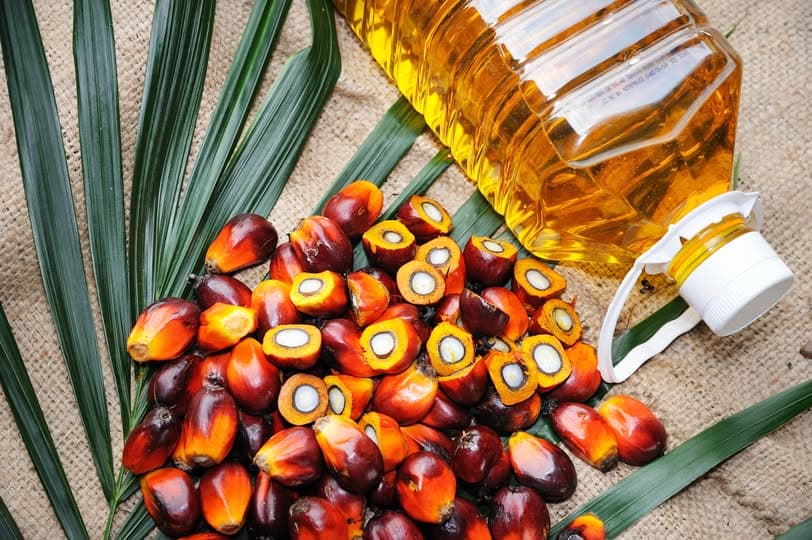 Best Seller
Crude Palm Oil
Full crude palm oil specification: CPO FFA ≤5%, iodine value 50–55. Also RBD Palm Olein CP6/CP8/CP10 and PFAD for food and industrial buyers.
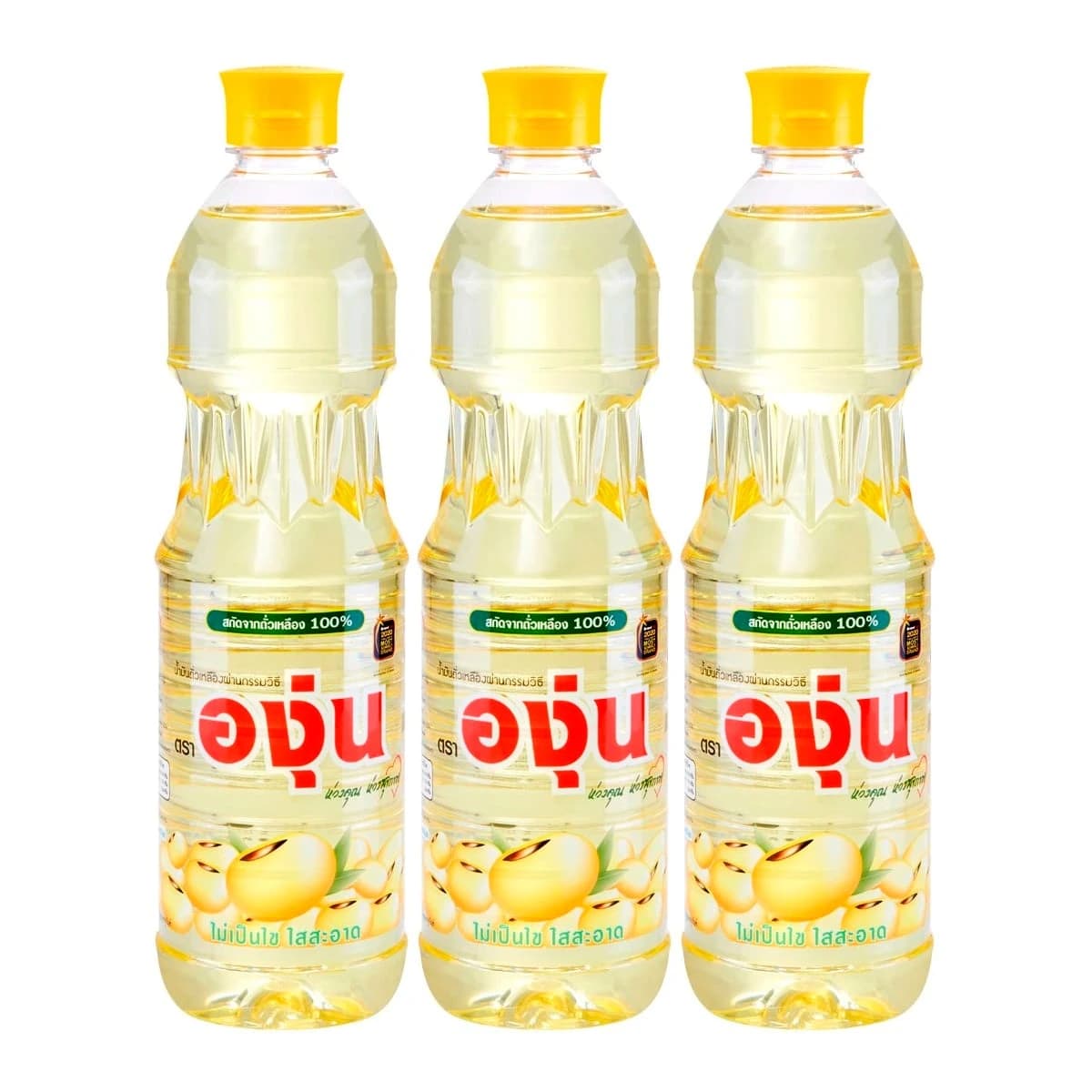 Popular
Soybean Oil
Best for food service and retail cooking oil — neutral taste, great frying stability, Non-GMO available.
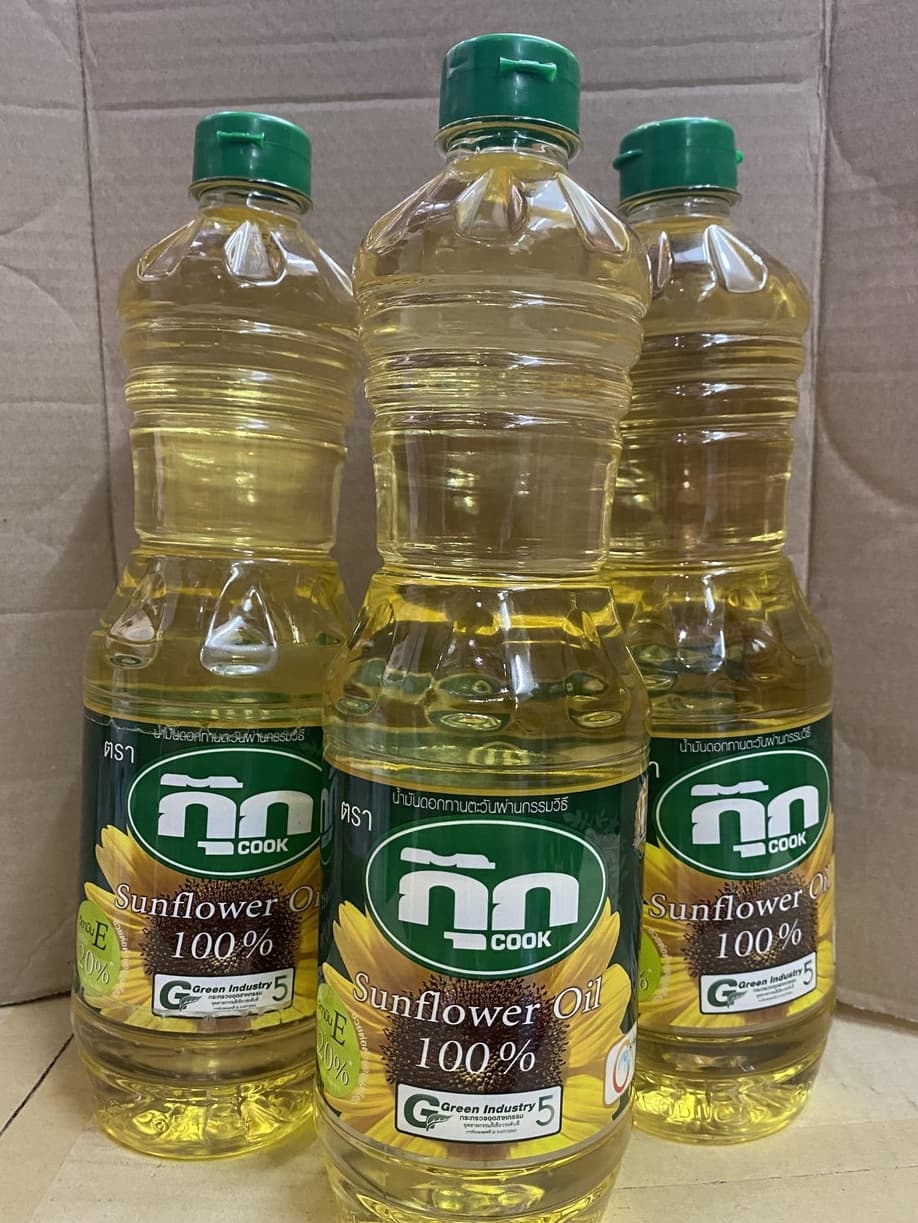 High Demand
Sunflower Oil
Premium cooking oil for retail distribution and food manufacturing — Vitamin E rich, 230°C smoke point, linoleic & high-oleic grades.