
Peanut Oil Exporter from Thailand
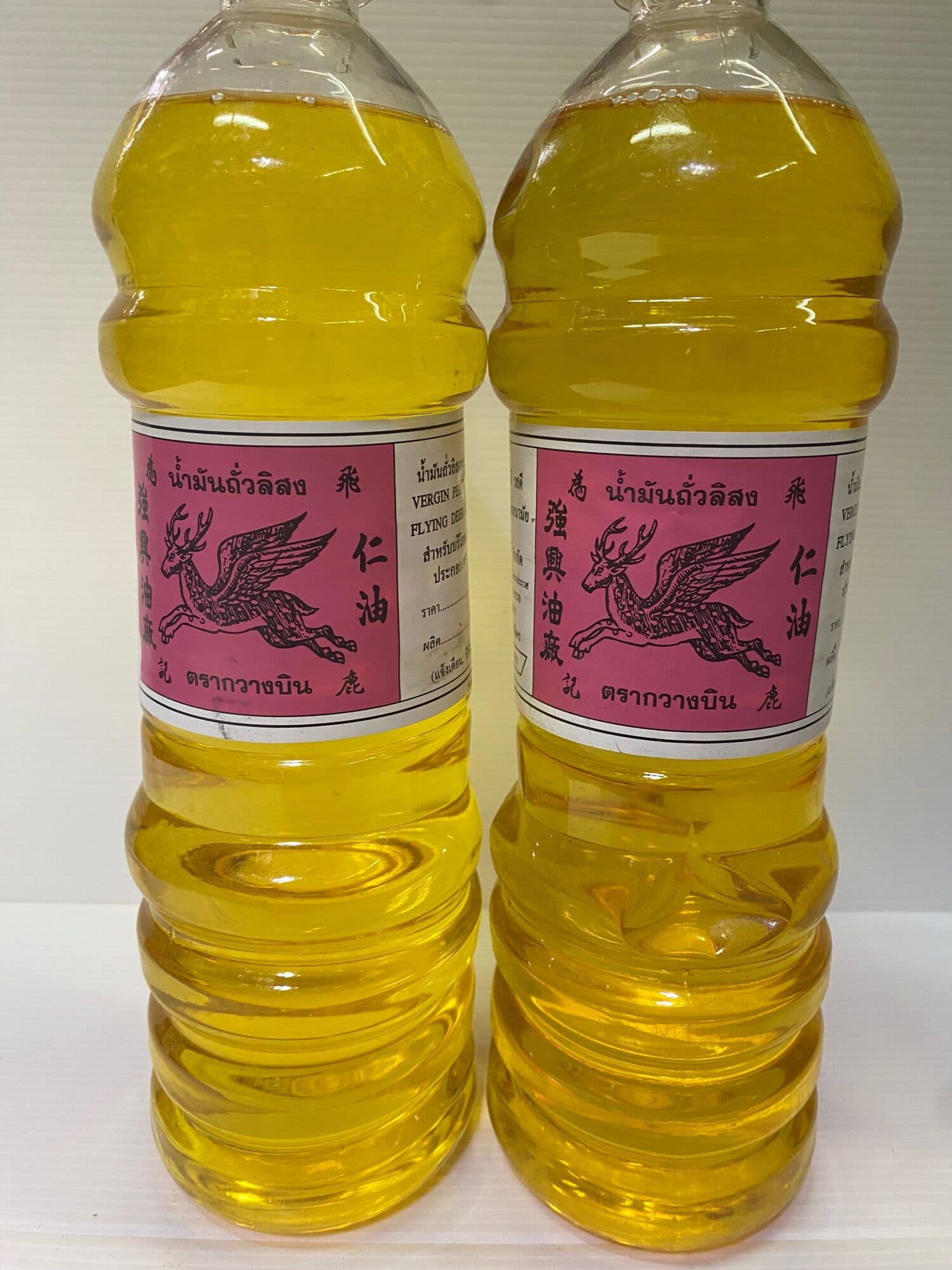
Refined and cold-pressed (aromatic) peanut oil with a high smoke point and clean flavour. Supplied for commercial frying, Asian cuisine, and food manufacturing.
- FOB / CIF Available
- 20ft & 40ft Containers
- Private Label Packaging
- COA / SGS / Phytosanitary
- Global Export Documentation
Halal & HACCP Certified
Trusted across 65+ countries
Peanut Oil Export Snapshot
The key buyer information at a glance.
1x 20ft container (approximately 20 MT)
1L–25L, drums, flexitank, bulk
FOB, CIF, CFR, Ex-Works
10–16 working days
Invoice, PL, COA, B/L, Phyto, SGS
Available (OEM)
Product Overview
Best For
- Commercial frying
- Asian food brands
- Snack manufacturers
- Food service & HORECA
- Retail cooking oil
- Private-label bottling
Available Grades
- Refined Peanut Oil
- Cold-Pressed Aromatic
Export Options
- Bulk flexitank
- Bulk tanker
- Drums
- Jerry cans
- Bottled cartons
- Private label / OEM
Detailed Product Description+
Jit Aree supplies and exports peanut (groundnut) oil in refined and cold-pressed aromatic grades through our Thailand export operations. Refined peanut oil offers a neutral flavour and a high smoke point above 225°C, making it a favourite for commercial deep frying, snack production, and food manufacturing. Cold-pressed aromatic peanut oil retains the characteristic roasted-nut flavour prized in Asian cooking. Available in bottles, jerry cans, drums, and flexitank with FOB and CIF terms, with allergen handling and documentation supported on request.
Available Peanut Oil Grades
Compare grades for international export and bulk supply, then request the one that fits your market.
Refined Peanut Oil
- Best Use
- High-heat & commercial frying
- Key Specification
- Smoke point ≥ 225°C
- Packaging
- Drums, flexitank, bulk
Cold-Pressed Aromatic
- Best Use
- Asian cuisine & flavour
- Key Specification
- Roasted-nut aroma
- Packaging
- Bottles, jerry cans, drums
Technical Specifications
Typical refined-grade parameters. Full Certificate of Analysis (COA) available on request.
Download Peanut Oil Spec Sheet (PDF)| Parameter | Specification |
|---|---|
| Free Fatty Acid (FFA) | ≤ 0.05% (refined) |
| Smoke Point (typical) | ≥ 225°C (refined) |
| Oleic Acid (Omega-9) | 40–60% |
| Iodine Value (Wijs) | 86–107 g I₂/100g |
| Color (Lovibond) | ≤ 2.0 Red (refined) |
| Peroxide Value | ≤ 2.0 meq/kg |
Packaging Options
From retail bottles to bulk flexitank — choose the format that suits your market and logistics.
1L, 2L, 5L bottles
10L, 20L jerry cans
25L, 200L drums
Flexitanks
Bulk tanker
Private label / OEM
Commercial Terms
FOB Supply
FOB Bangkok / Laem Chabang for buyers arranging their own ocean freight.
CIF & CFR Quotation
CIF / CFR to your destination port — sea freight and insurance handled by us.
Minimum Order (MOQ)
1x 20ft container (approximately 20 MT)
Payment Terms
L/C at sight, T/T 30/70, or CAD for established trading partners.
Lead Time
10–16 working days
Inspection Support
SGS / third-party pre-shipment inspection arranged on request.
For an accurate quotation, send your destination port, required grade, packaging size, quantity, and any private-label requirements.
Documents & Certifications
A complete, compliant document package prepared for your customs clearance.
Final documentation depends on destination country, buyer requirements, product grade, and inspection requirements.
Manufactured under certified standards
Applications & Use Cases
Buyer Guides & Comparisons
Quick answers to help you choose the right product.
Peanut oil is available in three distinct production grades, each with different flavour profiles, heat tolerance, allergen content, and applications. Food manufacturers and importers must understand these differences to source the correct grade. **Grade 1: Refined Peanut Oil (RBD — Refined, Bleached, Deodorised)** The standard bulk food-manufacturing and commercial frying grade. Raw peanut oil is processed through degumming, neutralisation (FFA reduced to ≤0.05%), bleaching (colour ≤2.0 Red Lovibond), and deodorisation — producing a neutral, pale yellow oil with a smoke point of ≥232°C. This is the correct grade for deep frying, snack food production, commercial kitchens, and private-label retail cooking oil. Allergen risk: low (refining removes most peanut proteins). FOB Bangkok 2026: $1,100–$1,300/MT in flexitank. **Grade 2: Expeller-Pressed Peanut Oil** Produced by mechanical pressing of peanuts at elevated temperature (expeller/screw press at 60–100°C) without chemical solvents. Oil yield is 85–90% of solvent-extracted grade. Expeller-pressed peanut oil retains more natural flavour compounds than fully refined grade, but less than cold-pressed aromatic. A mild peanut character remains. Smoke point: 220–225°C — still suitable for high-heat frying. Allergen risk: medium (some peanut proteins retained). Available in golden-yellow colour with light peanut aroma. Market: health food retail, 'natural' cooking oil positioning, specialty food service. **Grade 3: Cold-Pressed Aromatic Peanut Oil** Produced from roasted peanuts by cold-press extraction at controlled temperatures (≤50°C). Retains the full characteristic roasted-peanut aroma and golden-amber colour prized in Chinese, Korean, Southeast Asian, and Indian cooking. FFA typically 0.5–1.5% — not suitable for high-temperature frying (smoke point 160–190°C). Allergen risk: highest (peanut proteins fully retained). Used as a seasoning or finishing oil, added at low heat or as a condiment. Packaged in small bottles (150mL–750mL) for retail and food service. Premium pricing versus refined grade. **Specification Comparison:** | Parameter | Refined (RBD) | Expeller-Pressed | Cold-Pressed Aromatic | |---|---|---|---| | FFA | ≤ 0.05% | ≤ 0.5% | 0.5–1.5% | | Smoke Point | ≥ 232°C | 220–225°C | 160–190°C | | Colour (Lovibond) | ≤ 2.0 Red | Golden (3–5 Red) | Amber (10–15 Red) | | Aroma | Neutral | Mild peanut | Strong roasted peanut | | Allergen protein | Very low | Medium | High | | Best application | Frying, manufacturing, retail | Health retail, specialty food | Seasoning, Asian cuisine | | FOB Bangkok 2026 | $1,100–$1,300/MT | $1,200–$1,500/MT | Bottled — quoted separately | Jit Aree supplies refined and cold-pressed aromatic grades with full allergen documentation for all formats. Contact our export team for grade-specific proforma invoices.
Refined peanut oil has a smoke point of ≥232°C (450°F) — placing it among the highest-performing oils for commercial deep frying. Understanding why the smoke point matters for your application: **What the smoke point means in practice:** The smoke point is the temperature at which an oil begins to decompose visibly, producing smoke and releasing acrolein — a potentially harmful compound with a pungent, acrid odour. Commercial deep fryers typically operate at 175–185°C. The gap between operating temperature and smoke point determines frying safety and oil stability: - Refined peanut oil: 232°C smoke point → 47–57°C safety margin at 175–185°C frying temperature - Soybean oil: 232°C smoke point → same margin, but lower oleic acid content means faster oxidation - Standard sunflower oil: 230°C → similar margin, lower stability due to high PUFA - Palm olein: 232°C → high saturated fat provides excellent stability but different fatty acid profile **Why refined peanut oil outperforms soybean and sunflower for frying stability:** Beyond smoke point, frying stability depends on fatty acid composition. Refined peanut oil's profile — approximately 40–60% oleic acid (monounsaturated, most frying-stable), 20–35% linoleic acid (polyunsaturated, less stable), and 16–20% palmitic acid (saturated) — provides better resistance to oxidation than soybean oil (58% PUFA) or standard sunflower oil (63% PUFA). More monounsaturated fat = slower lipid oxidation = longer oil life in commercial fryers. **Frying stability ranking (approximate):** 1. Rice bran oil (254°C + oryzanol antioxidant) — longest life 2. High-oleic sunflower oil HOSO (≥75% oleic, 232°C) 3. **Refined peanut oil (40–60% oleic, ≥232°C)** 4. RBD palm olein (high saturated, 232°C) 5. Refined soybean oil (58% PUFA, 232°C) 6. Standard sunflower oil (63% PUFA, 230°C) — shortest life **Commercial frying specification for refined peanut oil:** - FFA ≤ 0.05% at delivery (rising FFA during frying is the primary indicator of oil degradation) - Peroxide value ≤ 2.0 meq/kg (freshness; discard frying oil when peroxide exceeds 10 meq/kg) - Smoke point ≥ 232°C (confirmed by AOCS Cc 9a-48 method on COA) - Optional antioxidant: TBHQ max 200 ppm (Codex Alimentarius) for extended fry life Jit Aree supplies refined peanut oil with COA confirming smoke point, FFA, and peroxide value from accredited Thai laboratories. Contact our export team for commercial frying oil specifications and FOB Bangkok pricing.
Peanut oil allergen management is one of the most critical compliance areas for food manufacturers sourcing any grade of peanut oil. Below is a comprehensive guide to allergen risk, regulatory requirements, and documentation. **Allergen risk by peanut oil grade:** | Grade | Peanut Protein Level | Allergen Risk | Label Declaration Required? | |---|---|---|---| | Refined Peanut Oil (RBD) | Very low (most proteins removed by refining) | Low-moderate | Yes — EU, AU/NZ, UK require declaration regardless of protein level | | Expeller-Pressed | Moderate (partial protein retention) | Moderate | Yes — all major markets | | Cold-Pressed Aromatic | High (full protein retention) | High | Yes — all major markets, without exception | **Regulatory requirements by market:** - **European Union (EU Regulation 1169/2011)**: Peanuts and products thereof are listed as one of 14 major allergens. Declaration is MANDATORY on all food labels in the EU — including refined peanut oil, regardless of protein content. Must appear in bold, contrasting colour in the ingredients list. - **United Kingdom (UK Food Information Regulations 2014)**: Same as EU standard post-Brexit — peanut declaration mandatory even for refined oil. - **United States (FALCPA 2004 / FASTER Act 2021)**: Peanuts are one of nine major allergens. FDA requires peanut-derived ingredients to be declared on all retail food labels. Refined peanut oil that meets FDA's 'highly refined' standard is technically exempt from mandatory allergen labelling — but manufacturers are encouraged to declare voluntarily to protect peanut-allergic consumers. - **Australia and New Zealand (FSANZ Standard 1.2.3)**: Peanut declaration mandatory on all packaged food labels. - **Middle East / GCC**: Saudi SFDA and UAE ESMA follow Codex Alimentarius allergen guidance — peanut declaration required on retail food products. **Practical guidance for food manufacturers:** 1. Always declare peanut (groundnut) as an ingredient/allergen on end-product labels, regardless of oil grade or refining level 2. For shared production lines (facility also processing other peanut products), implement allergen cross-contact controls and include 'may contain peanut traces' or equivalent advisory 3. Request an Allergen Declaration from your supplier with each shipment — Jit Aree provides this as standard, confirming the grade and refining method for every peanut oil shipment 4. Non-peanut-allergic consumers can safely use refined peanut oil, but your labelling obligation exists independently of the consumer risk level **Jit Aree allergen documentation package:** Every Jit Aree peanut oil shipment includes: (1) Allergen Declaration confirming grade, refining method, and peanut allergen status; (2) Certificate of Analysis; (3) Guidance notes on label declaration for EU, US, UK, AU/NZ, and GCC markets. Contact our export team for the full allergen documentation package.
Choosing between peanut oil and other frying oils for commercial deep frying or food manufacturing? This full comparison covers smoke point, fatty acid stability, allergen status, cost, and practical application fit. | Criterion | Refined Peanut Oil | Rice Bran Oil | RBD Palm Olein | Soybean Oil (RBD) | HOSO Sunflower Oil | |---|---|---|---|---|---| | Smoke Point | ≥ 232°C | **254°C** | ~232°C | ~232°C | ~232°C | | Oleic Acid (MUFA) | **40–60%** | 38% | 40% | 24% | ≥75% | | PUFA (omega-6+3) | 20–35% | 35% | 10% | 58% | 15–20% | | Saturated Fat | 16–20% | 22% | 49% | 16% | 9% | | Oryzanol | None | **1–2%** | None | None | None | | Allergen | **YES — peanut** | No | No | No | No | | FOB Bangkok 2026 | $1,100–$1,300/MT | $1,050–$1,250/MT | $780–$900/MT | $850–$1,000/MT | $1,100–$1,350/MT | | Fry life (relative) | Long | **Longest** | Long | Medium | Long | | Label Differentiator | 'Cooked in peanut oil' | Oryzanol, 254°C | Palm-free claim | Non-GMO option | 'High in oleic acid' | | Market positioning | Premium restaurant, snack frying | Health food, QSR, nutraceutical | Volume commodity frying | Retail, margarine, food manufacturing | Premium QSR, snack food | **When to choose refined peanut oil over alternatives:** - Snack food or chip manufacturers marketing 'cooked in peanut oil' as a premium claim - Asian cuisine restaurant supply where peanut oil is authentic to the cuisine (Chinese, SE Asian) - Bakery or biscuit manufacturers wanting to avoid palm oil with a premium, recognisable alternative - Food service operators where peanut allergy management protocols are already in place **When to choose alternatives over peanut oil:** - Mass-market food manufacturing where allergen-free status is a requirement — use soybean, palm, or rice bran oil - Maximum fry life required — use rice bran oil (254°C + oryzanol) or HOSO sunflower - Cost-sensitive volume frying — use palm olein ($780–$900/MT vs $1,100–$1,300/MT for peanut) Jit Aree supplies refined peanut oil, rice bran oil, palm olein, soybean oil, and HOSO sunflower oil — contact our export team for a side-by-side price comparison and combined shipment options.
Thailand and Southeast Asia have become increasingly important origins for peanut oil (groundnut oil) supply, offering distinct advantages for importers in Asia, the Middle East, and Africa versus the dominant origins of China, India, and West Africa. **Global peanut oil supply overview 2026:** The world's three largest peanut oil producing countries are China (~41% of global production), India (~25%), and Nigeria (~10%). However, for buyers importing peanut oil — particularly in ASEAN, the Middle East, and East Africa — Thailand-origin supply from exporters like Jit Aree offers structural cost and logistics advantages: 1. **ASEAN Free Trade Agreement (AFTA) duty savings**: Thai-origin peanut oil exported to ASEAN member states (Indonesia, Vietnam, Philippines, Malaysia, Cambodia, Myanmar, Laos, Brunei, Singapore) qualifies for 0% import duty under AFTA with a Form D Certificate of Origin. This provides $50–$100/MT landed cost advantage versus Chinese or Indian origin peanut oil subject to MFN tariffs in ASEAN markets. 2. **Short transit times to key markets**: Bangkok to Singapore: 3–5 days. Bangkok to Jakarta (Indonesia): 5–7 days. Bangkok to UAE (Jebel Ali): 12–16 days. Bangkok to East Africa (Mombasa): 18–22 days. Significantly shorter than Chinese origin (which may route through Singapore, adding 5–10 days) and far shorter than Indian or West African origins for Middle East and ASEAN destinations. 3. **Halal certification**: Jit Aree peanut oil carries CICOT (Central Islamic Council of Thailand) Halal certification, accepted by SFDA (Saudi Arabia), ESMA (UAE), JAKIM (Malaysia), MUI (Indonesia), and most OIC member state import authorities. This eliminates the Halal recertification cost and delay that can apply to Chinese or Indian origin peanut oil. 4. **Full allergen documentation**: Thailand's food export regulatory framework requires comprehensive allergen documentation for all peanut-containing products, and Jit Aree provides a complete allergen declaration package covering EU, US, UK, and FSANZ requirements — simplifying import compliance for buyers in regulated markets. 5. **Consolidated sourcing**: Thai peanut oil buyers can consolidate their order with other vegetable oils (soybean, sunflower, rice bran, palm) in the same container from Jit Aree, reducing freight cost, documentation overhead, and procurement management time. **Current FOB Bangkok pricing for peanut oil from Thailand (2026):** - Refined peanut oil, flexitank 20 MT: $1,100–$1,300/MT FOB Bangkok - Refined peanut oil, 200L HDPE drums: $1,200–$1,400/MT FOB Bangkok - Cold-pressed aromatic peanut oil, bottles: premium — quoted separately Contact Jit Aree Oil for a current proforma invoice including CIF to your destination port — response within 4 hours.
Refined peanut oil has a high smoke point and a clean, neutral taste that makes it excellent for repeated deep frying — it is a classic restaurant frying oil. Compared with palm olein it offers a lighter mouthfeel at a higher price, and compared with soybean oil it is generally more stable for frying. Note that peanut oil is an allergen and must be labelled accordingly.
Refined peanut oil is processed for a neutral flavour, light colour, and high heat tolerance — ideal for frying and manufacturing. Cold-pressed (aromatic) peanut oil keeps the roasted-peanut flavour used to season Asian dishes and is best added at lower heat or as a finishing oil.
Thailand is a significant origin for peanut oil (groundnut oil) supply in Southeast Asia, with Jit Aree Vegetable Oil operating as a factory-direct peanut oil supplier Thailand for importers across 65+ countries. This guide covers the key purchasing parameters for buyers sourcing peanut oil from Thailand. **Peanut oil grades available from Thailand:** 1. **Refined Peanut Oil** — RBD (Refined, Bleached, Deodorized) peanut oil with a neutral flavour, light yellow colour (≤2.0 Red Lovibond), smoke point ≥225°C, and FFA ≤0.05%. This is the standard bulk food-manufacturing and commercial frying grade. Suitable for deep frying, snack production, commercial kitchen use, and private-label retail. 2. **Cold-Pressed Aromatic Peanut Oil** — Produced from roasted peanuts by cold-press extraction, retaining the characteristic roasted-nut aroma and golden colour prized in Asian cooking. FFA typically 0.5–1.0%, smoke point lower than refined grade (~160–190°C). Used as a seasoning or finishing oil in Chinese, Korean, and Southeast Asian cuisine. Packaged in 150mL–750mL bottles for retail and food service. **Key peanut oil specifications for export:** | Parameter | Refined Peanut Oil | Aromatic Peanut Oil | |---|---|---| | FFA | ≤ 0.05% | 0.5–1.0% | | Smoke Point | ≥ 225°C | 160–190°C | | Iodine Value | 86–107 g I₂/100g | 86–107 g I₂/100g | | Oleic Acid | 40–60% | 40–60% | | Color (Lovibond) | ≤ 2.0 Red | Golden-amber | | Peroxide Value | ≤ 2.0 meq/kg | ≤ 5.0 meq/kg | | Aroma | Neutral | Characteristic roasted peanut | **Peanut oil allergen documentation:** Peanut (groundnut) oil is classified as a major food allergen under EU Regulation 1169/2011, US FDA labelling rules, and FSANZ (Australia/NZ) standards. Refined peanut oil has a reduced allergen risk versus cold-pressed aromatic peanut oil — the refining process removes most peanut proteins, though regulatory thresholds and labelling requirements vary by market. Jit Aree provides allergen declaration documentation for all peanut oil shipments, specifying production facility and cross-contact controls. Buyers are responsible for complying with local food labelling regulations in their destination markets. **Peanut oil packaging and FOB pricing from Thailand:** Refined peanut oil is available FOB Bangkok in bulk flexitank (20 MT per 20ft container, lowest cost per MT), 200L HDPE drums (~85 drums per 20ft), 20L jerry cans, and private-label retail bottles (1L–5L). Cold-pressed aromatic peanut oil is supplied primarily in 150mL–1L glass or PET bottles and 20L jerry cans. MOQ for all formats: 1 × 20ft container. Lead time: 10–16 working days. Contact Jit Aree Oil for a current peanut oil FOB Bangkok or CIF quotation — response within 4 hours. **Why source peanut oil from Thailand:** (1) Competitive FOB Bangkok pricing with access to Laem Chabang Port — one of Southeast Asia's busiest container terminals; (2) ASEAN 0% import duty for buyers in ASEAN member states with Form D Certificate of Origin; (3) Halal CICOT certification on all peanut oil grades; (4) Complete allergen documentation package for food labelling compliance; (5) Single-supplier sourcing alongside other edible oils (soybean, rice bran, sunflower, palm) on unified payment and documentation terms.
Peanut oil (groundnut oil) is one of the traditional commercial frying oils in Asian food service, valued for its high smoke point (≥225°C for refined grade), relative stability under repeated frying cycles, and clean taste that does not overpower food flavours. This guide covers the technical parameters buyers need to evaluate when sourcing peanut oil for commercial deep frying. **Why peanut oil is used for commercial frying:** Refined peanut oil's fatty acid profile — approximately 40–60% oleic acid (monounsaturated), 20–35% linoleic acid (polyunsaturated), and 16–20% palmitic acid (saturated) — provides a balance of frying stability and liquid consistency. The relatively high monounsaturated content makes refined peanut oil more resistant to oxidation during deep frying than high-polyunsaturated oils like soybean or sunflower, while remaining liquid and pourable at all typical commercial kitchen temperatures. Frying stability comparison (approximate oil life in commercial fryer before FFA exceeds 0.5%): Rice bran oil ~longest (oryzanol antioxidant), high-oleic sunflower / peanut oil ~medium-long, soybean oil ~medium, standard sunflower oil ~shorter. **Key specifications to require for commercial frying applications:** - FFA ≤ 0.05% (refined grade at time of delivery) - Peroxide Value ≤ 2.0 meq/kg (freshness indicator — oil should be used within 12 months of production) - Smoke Point ≥ 225°C (minimum for commercial deep frying at 175–185°C) - Lovibond Color ≤ 2.0 Red (clean colour for frying clarity) - Moisture & Impurities ≤ 0.05% (water accelerates FFA development in fryers) **Antioxidant options for extended fry life:** For extended commercial frying life, specify addition of TBHQ (tert-butylhydroquinone, max 200 ppm per Codex Alimentarius) to refined peanut oil. TBHQ is a synthetic antioxidant that significantly delays the oxidation of polyunsaturated fats during frying — extending fry oil life by 25–40% versus untreated oil. Citric acid (0.005–0.02%) is also used to chelate metal ions (copper, iron) that catalyse oxidation. These are standard additives for commercial frying oil supply — specify on your purchase order if required, or leave unspecified for untreated oil for markets where additive-free is preferred. **Allergen controls for peanut oil in food service:** In commercial kitchens serving customers with food allergies, use of peanut oil requires clear communication in menu labelling and staff training. Refined peanut oil has significantly reduced peanut protein content — most individuals with peanut allergies can tolerate highly refined peanut oil, but this is not universally true and varies by individual sensitivity. UK Food Standards Agency and EU food law require peanut-derived ingredients (including refined peanut oil) to be declared as allergens. Buyers supplying food service operators should ensure end-product labelling compliance in their market. Jit Aree provides full allergen documentation with every peanut oil shipment. Contact Jit Aree Oil for a proforma invoice for refined or aromatic peanut oil FOB Bangkok or CIF to your destination port — quote issued within 4 hours of inquiry.
Buyers sourcing peanut oil from Thailand must choose between two fundamentally different grades: refined (RBD) and cold-pressed aromatic. Here is the complete comparison: | Criterion | Refined Peanut Oil | Cold-Pressed Aromatic Peanut Oil | |---|---|---| | Production | Degummed, neutralised, bleached, deodorised | Pressed from roasted peanuts, unrefined | | Taste & Aroma | Neutral — no peanut flavour | Rich roasted-peanut aroma & flavour | | Colour | Pale yellow (≤2.0 Red Lovibond) | Golden amber | | FFA | ≤ 0.05% | 0.5–1.5% | | Smoke Point | ≥ 225°C | 160–190°C | | Allergen Protein | Very low (refining removes most proteins) | Higher (cold-press retains proteins) | | FOB Price (2026) | From ~$1,100/MT | Premium pricing — bottles only | | Best Application | Commercial frying, food manufacturing, snacks | Asian cuisine finishing, seasoning, retail | | Packaging | Flexitank, drums, bottles | Bottles (150mL–750mL), jerry cans | For commercial frying and large-volume food manufacturing, refined peanut oil in flexitank or drums is the correct choice — neutral flavour, high smoke point, lower allergen risk. For Asian cuisine distributors, restaurant supply, and retail cooking oil, cold-pressed aromatic peanut oil is the premium product that commands higher retail margins. Many buyers of Thai peanut oil source both grades in the same shipment for different SKUs.
Peanut (groundnut) oil is classified as a major food allergen under EU Regulation 1169/2011, US FDA Food Allergen Labeling and Consumer Protection Act (FALCPA), and FSANZ Standard 1.2.3 (Australia/NZ). Importers and food manufacturers sourcing peanut oil from Thailand must ensure full compliance with allergen declaration requirements in their destination market. **Allergen risk by grade:** (1) Refined peanut oil (RBD) — the refining process (neutralisation, bleaching, deodorisation at high temperatures) removes the vast majority of peanut proteins that trigger allergic reactions. Studies show refined peanut oil does not trigger allergic reactions in most peanut-allergic individuals, and many regulatory bodies (including UK Food Standards Agency) note that highly refined peanut oil is unlikely to cause reactions. However, EU food law still requires allergen declaration on the label regardless of protein content. (2) Cold-pressed aromatic peanut oil — the cold-press process does not remove peanut proteins; this grade retains significant allergen potential and must be declared as a peanut allergen on all end-product labels without exception. **Allergen documentation from Jit Aree:** Every peanut oil shipment from Jit Aree includes: (1) Allergen Declaration confirming that peanut (groundnut) is present and specifying the production grade; (2) Information on shared-facility cross-contact risk (if applicable); (3) Guidance on required label declarations per EU/US/FSANZ standards. Importers bear responsibility for end-product labelling compliance in their destination market — Jit Aree's allergen documentation supports this but does not replace market-specific regulatory review. Contact our export team for the complete allergen documentation package.
Q: What is the smoke point of peanut oil from Thailand? A: Refined peanut oil from Jit Aree has a smoke point of ≥225°C — suitable for all standard commercial deep frying applications at 175–185°C. Cold-pressed aromatic peanut oil has a lower smoke point of 160–190°C and should not be used for high-temperature frying. Q: Is peanut oil from Thailand Halal certified? A: Yes. Jit Aree holds CICOT Halal certification covering all peanut oil grades. CICOT certification is recognised by import authorities in the UAE, Saudi Arabia, Malaysia, Indonesia, and most OIC member states. Halal Certificate is included with every shipment. Q: What is the minimum order quantity for peanut oil from Thailand? A: MOQ is 1 × 20ft container (approximately 20 MT in flexitank or 14–16 MT in 200L HDPE drums). For aromatic cold-pressed peanut oil, MOQ is 1 × 20ft container of bottled product (~15–18 MT net depending on bottle size). Q: What packaging is available for bulk peanut oil from Thailand? A: Refined peanut oil: bulk flexitank (20 MT, lowest cost), 200L HDPE drums, 20L jerry cans, and 1L–5L private-label PET retail bottles. Cold-pressed aromatic: 150mL–750mL glass or PET bottles, 1L–5L bottles, 20L jerry cans. Q: What is the FOB Bangkok price for peanut oil from Thailand in 2026? A: Refined peanut oil FOB Bangkok: approximately $1,100–$1,300/MT in flexitank. 200L drums: approximately $1,200–$1,400/MT. Aromatic cold-pressed: quoted separately in bottle format. Contact Jit Aree for a current proforma invoice — response within 4 hours. Q: What certifications are provided with peanut oil shipments? A: ISO 9001, HACCP, Halal CICOT, SGS inspection report (on request), Certificate of Analysis (FFA, smoke point, iodine value, peroxide value, colour), Allergen Declaration, Health Certificate, and Certificate of Origin (Form D for ASEAN 0% import duty).
Refined peanut oil is a premium choice for food manufacturers across several application segments, valued for its heat stability, clean flavour, and consumer appeal. **Snack food and potato chip production:** Refined peanut oil is used by premium chip and snack manufacturers who market their products as 'cooked in peanut oil' — a differentiating label claim in markets where peanut oil is perceived as superior to palm or soybean oil for snack frying. The high oleic content (40–60%) provides better frying stability than soybean oil, while the 225°C smoke point allows safe operation at standard chip frying temperatures (170–180°C). **Bakery and biscuit production:** Refined peanut oil's neutral flavour makes it a direct substitute for palm oil in biscuit, cracker, and pastry manufacturing for food manufacturers wanting to avoid palm oil in their ingredient list. For brands with anti-palm-oil positioning, refined peanut oil at $1,100–1,300/MT provides a credible alternative at a moderate premium. **Asian cuisine restaurant supply:** Cold-pressed aromatic peanut oil is essential for authentic Chinese stir-fry, Korean bibimbap, Pad Thai, and Southeast Asian curry applications. Food service distributors supply aromatic peanut oil in 5L jerry cans or 20L containers to restaurant kitchens. The distinctive roasted-peanut flavour is irreplaceable in these culinary applications — no refined oil provides the same sensory impact. **Private-label cooking oil brands:** Peanut oil in 1L, 2L, and 5L PET or glass bottles is popular in both refined and aromatic grades for retail private-label programs. Jit Aree provides full OEM bottling with custom label design. MOQ: 1 × 20ft container per SKU. Lead time: 14–21 working days from label artwork approval. Target retail markets: Middle East, Southeast Asia, China, and health food retailers in Europe and the US. For pricing, MOQ, and packaging specifications for peanut oil from Thailand, contact Jit Aree Oil's export team — proforma invoice issued within 4 hours of inquiry.
Peanut oil (groundnut oil) FOB Bangkok pricing from Thailand in 2026: | Grade | Packaging | FOB Bangkok Price 2026 | |---|---|---| | Refined Peanut Oil (RBD) | Flexitank 20 MT / 20ft | $1,100–$1,300/MT | | Refined Peanut Oil (RBD) | 200L HDPE Drums | $1,200–$1,400/MT | | Refined Peanut Oil (RBD) | 20L Jerry Cans | $1,300–$1,500/MT | | Cold-Pressed Aromatic | Bottles (1L–5L) | Premium — quoted separately | | Private Label Retail Bottles | 1L–5L PET | $1,500–$2,000/MT all-in | Peanut oil price drivers in 2026: (1) Global groundnut (peanut) production — primarily China, India, Nigeria, and the US. Chinese peanut production is the single largest price driver; drought years in China typically push peanut oil prices 15–25% higher; (2) Palm oil price spread — when refined peanut oil is more than $300/MT above palm olein, some food manufacturers substitute. The peanut oil / palm oil spread in 2026 is approximately $300–$400/MT; (3) Health food demand — rising consumer interest in 'peanut oil fried' snacks and restaurant cuisine using authentic Asian cooking oil supports demand; (4) ASEAN Free Trade — 0% import duty for ASEAN buyers via Form D Certificate of Origin reduces landed cost versus Indian or Chinese origin peanut oil. For a current CIF quotation to your destination port, contact Jit Aree Oil's export team — response within 4 hours.
Frequently Asked Questions
Everything buyers ask before placing a peanut oil order.
We supply Refined, Cold-Pressed, Aromatic, High Smoke Point. Tell us your application and we will recommend the most suitable grade for your market and budget.
Our standard MOQ is 1x 20ft container (approximately 20 MT). For first-time buyers evaluating quality, smaller trial quantities can be discussed case by case.
Yes. We quote FOB Bangkok / Laem Chabang as well as CIF, CFR and Ex-Works. Send us your destination port and quantity and we will prepare a CIF quotation.
Yes — we offer full private label / OEM service including custom bottle and label design, brand printing and retail-ready packaging in any size.
Commercial Invoice, Packing List, Bill of Lading, Certificate of Origin, Certificate of Analysis (COA), Health Certificate, Halal Certificate, SGS inspection report and Phytosanitary Certificate where required.
Yes. Independent SGS (or equivalent) pre-shipment inspection can be arranged on every container and the report is included in your document package.
Available formats: 1L, 2L, 5L bottles; 10L, 20L jerry cans; 25L, 200L drums; Flexitanks; Bulk tanker; Private label / OEM.
Production lead time is 10–16 working days. Sea transit then depends on your destination — typically 2–4 weeks after order confirmation.
Yes. With 500K+ tonnes of annual capacity we support recurring monthly shipments and scheduled deliveries under supply agreements.
Peanut Oil Export Destinations
We export peanut oil worldwide. See market-specific ports, transit times and import requirements for your country:
Ready to Import Peanut Oil?
Send us your destination port, required grade, packaging size, and quantity. Our export team will prepare a FOB or CIF quotation based on your requirements.
- Destination port
- Quantity
- Packaging
- Grade
- Private label requirement
Or email [email protected] · Response within 24 hours
Other Products You May Need
 Best Seller
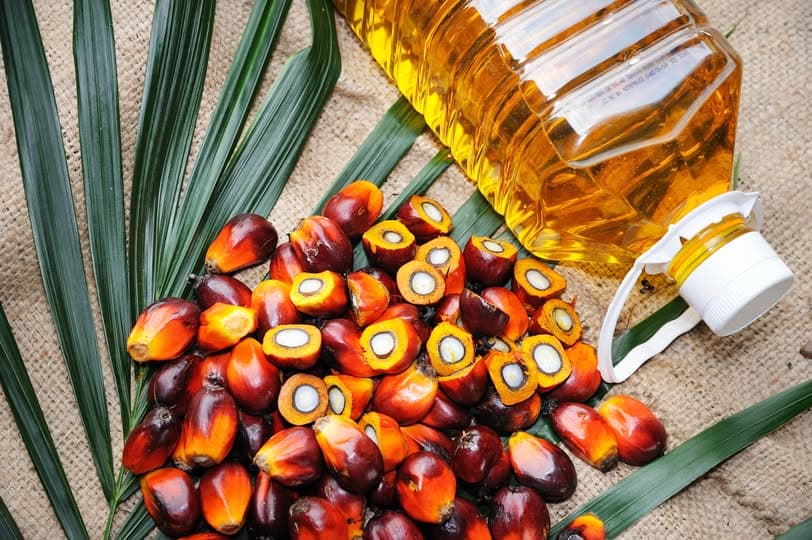
Crude Palm Oil
Full crude palm oil specification: CPO FFA ≤5%, iodine value 50–55. Also RBD Palm Olein CP6/CP8/CP10 and PFAD for food and industrial buyers.
 Popular
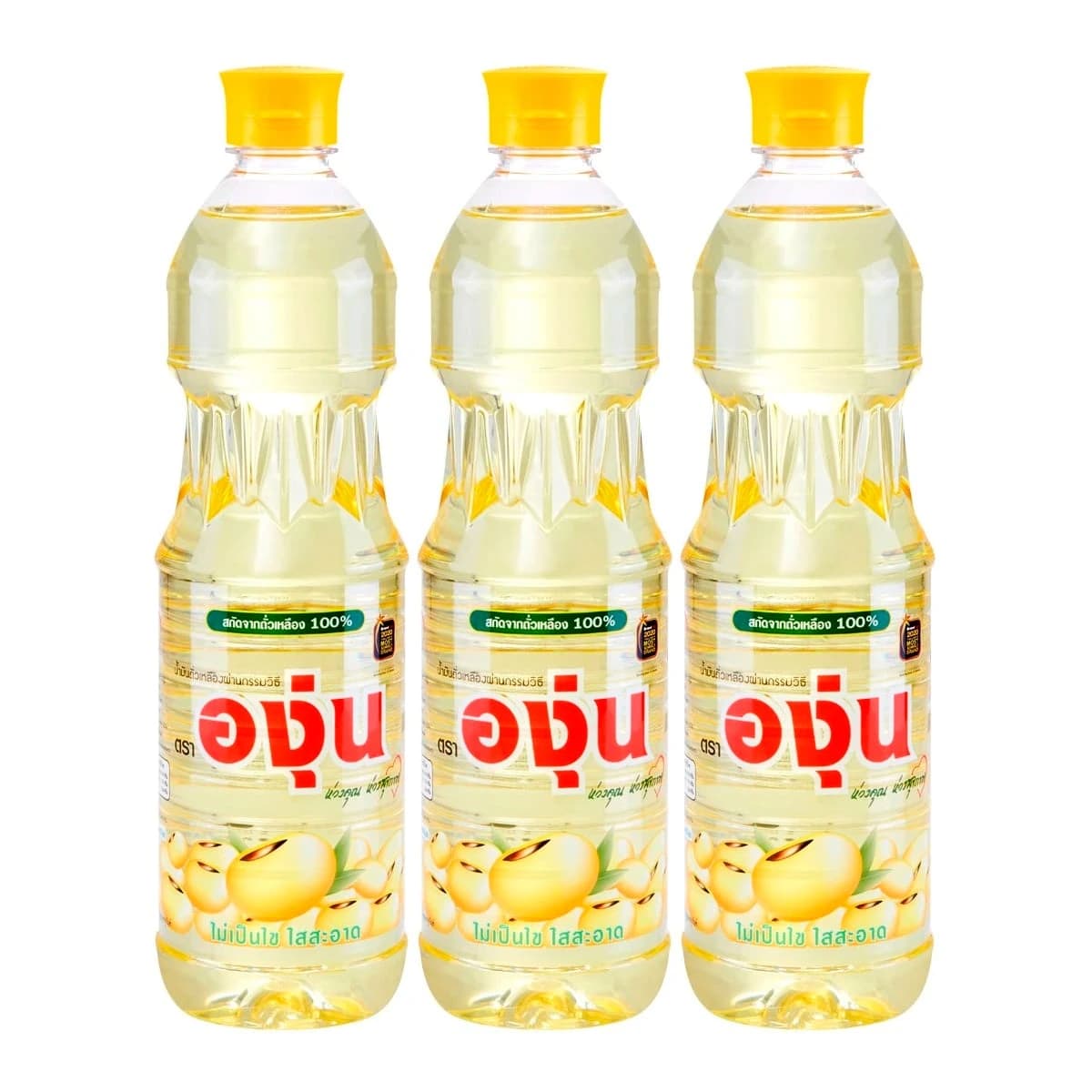
Soybean Oil
Best for food service and retail cooking oil — neutral taste, great frying stability, Non-GMO available.
 High Demand
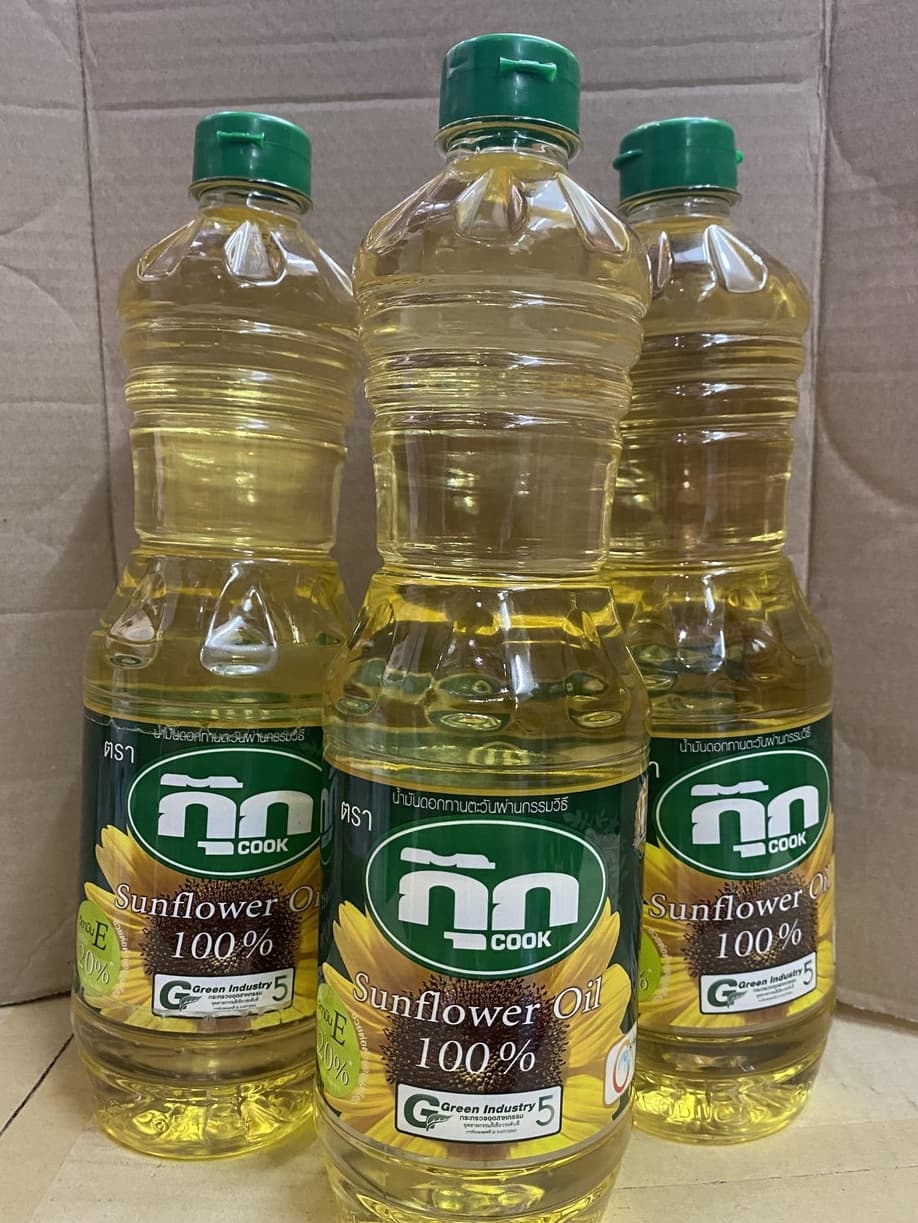
Sunflower Oil
Premium cooking oil for retail distribution and food manufacturing — Vitamin E rich, 230°C smoke point, linoleic & high-oleic grades.