
Our Process: From Source to Export
Full supply chain transparency — see how raw materials become premium export-grade edible oils.
The global edible oil industry demands consistent quality, traceability, and food safety at every stage of production. At Jit Aree Vegetable Oil, we operate a fully integrated supply chain — from sourcing premium oilseeds and crude oils to delivering refined, tested, and certified edible oils to buyers worldwide. Every step below is documented, quality-controlled, and verified to deliver export-grade edible oils that meet the most demanding international standards.
10-Step Production & Export Process
Raw Material Sourcing
We source premium oilseeds and crude oils from verified farms and estates across major producing regions. Sunflower, soybean, palm, and rapeseed are procured based on strict origin quality criteria including oil content, moisture, and free fatty acid levels.

QC Check: Supplier audits, origin documentation, and incoming oil content analysis on every lot. Only suppliers meeting our quality threshold are approved.
Receiving & Intake Inspection
All incoming raw materials are sampled at the intake point. Crude oils are tested for FFA, moisture, and impurities before acceptance into storage tanks. Oilseeds are weighed, graded, and tested for oil content and foreign matter.
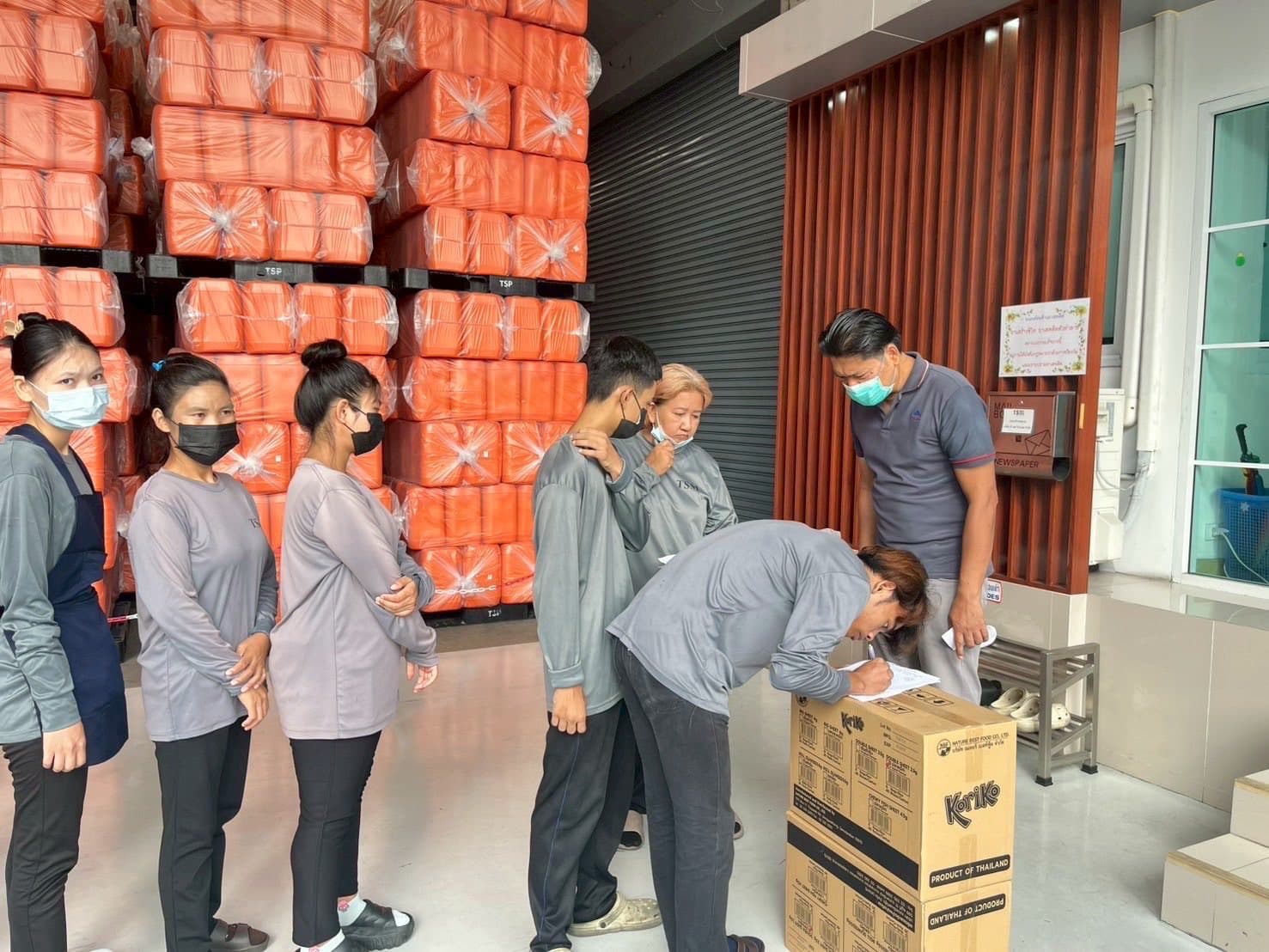
QC Check: FFA, moisture, and impurity levels tested on every delivery. Lots exceeding thresholds are rejected or downgraded.
Degumming
Crude oil is treated with water or phosphoric acid to remove phospholipids (gums) that cause cloudiness and reduce shelf life. This critical first refining step produces a cleaner oil base for subsequent processing stages.
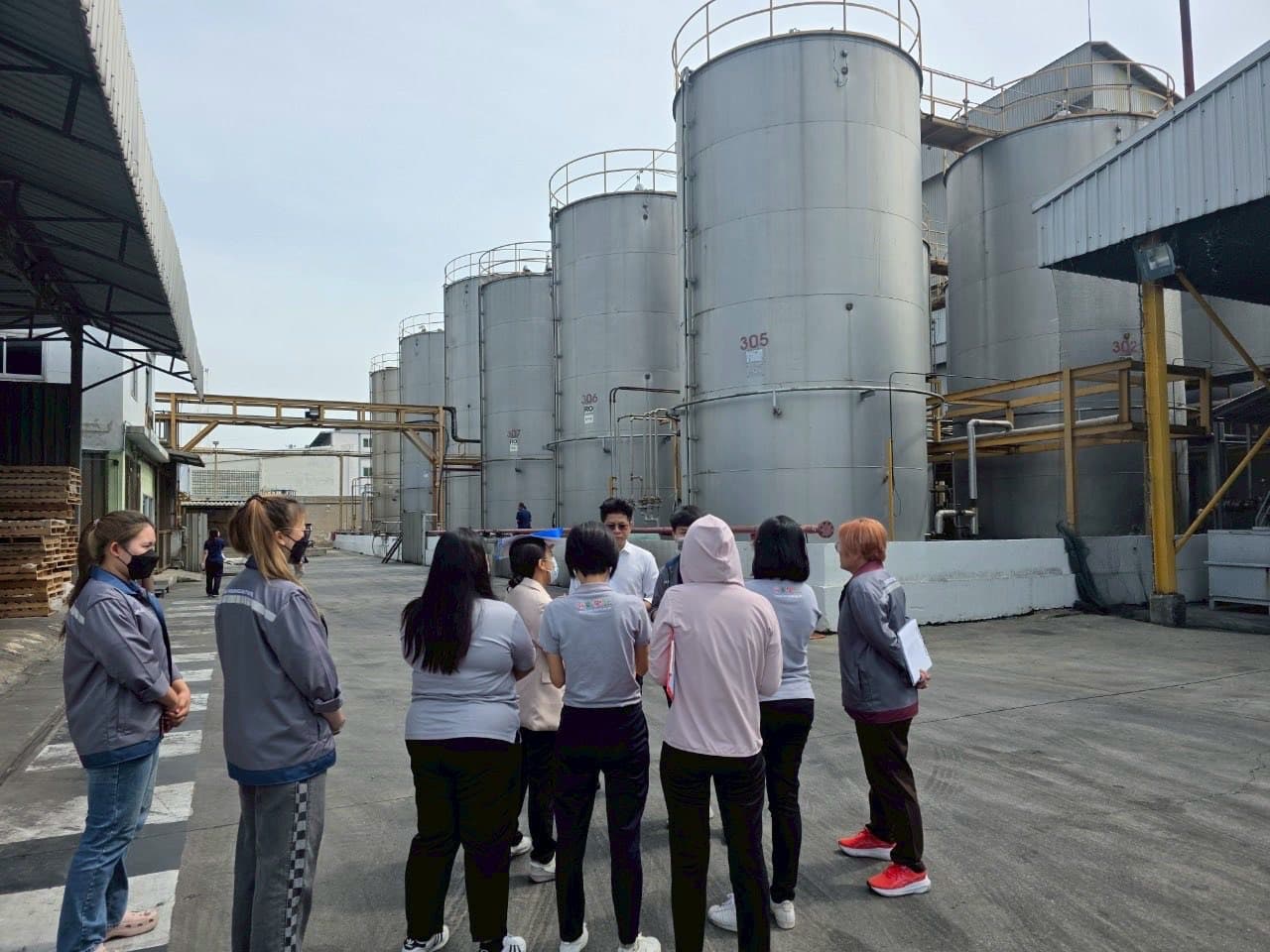
QC Check: Phosphorus content measured post-degumming to confirm effective gum removal. Target: <10 ppm phosphorus.
Neutralization (Alkali Refining)
Degummed oil is treated with sodium hydroxide (caustic soda) to neutralize free fatty acids, which are removed as soapstock. This step significantly reduces FFA content and improves oil stability and flavor.
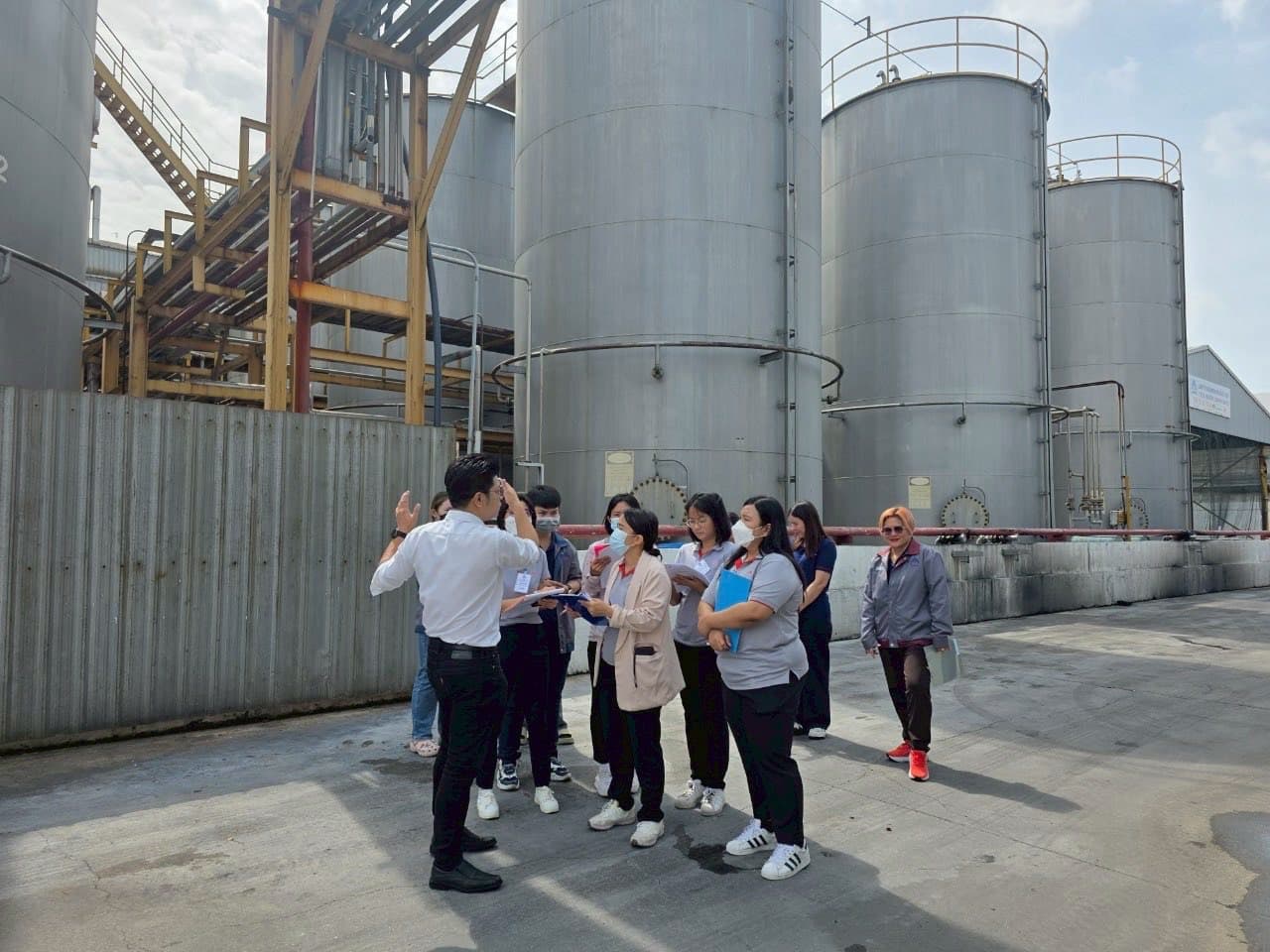
QC Check: FFA levels tested after neutralization. Target: <0.05% FFA for refined grades. Soapstock separation efficiency monitored.
Bleaching
Neutralized oil passes through activated bleaching earth under vacuum to adsorb color pigments, residual soaps, trace metals, and oxidation products. This produces a light-colored oil with improved oxidative stability.

QC Check: Lovibond color measured before and after bleaching. Residual soap and peroxide value tested to ensure effective treatment.
Deodorization
Bleached oil is heated under high vacuum with steam stripping to remove volatile compounds responsible for off-flavors and odors. This final refining step produces a bland, neutral-tasting oil with excellent shelf life.

QC Check: Flavor panel evaluation, peroxide value, and anisidine value tested post-deodorization. FFA confirmed below 0.03%.
Winterization (where applicable)
For oils that require cold clarity (such as sunflower and soybean), the oil is slowly cooled to crystallize higher-melting waxes and saturated fats, which are then filtered out. This ensures the oil remains clear when refrigerated.

QC Check: Cold test performed at 0°C for minimum 5.5 hours. Oil must remain clear and free of cloudiness to pass.
Quality Testing & Laboratory Analysis
Every production batch undergoes comprehensive laboratory analysis covering FFA, peroxide value, color (Lovibond), moisture, impurities, fatty acid composition, and heavy metals. Only batches meeting all specifications are approved for packaging.
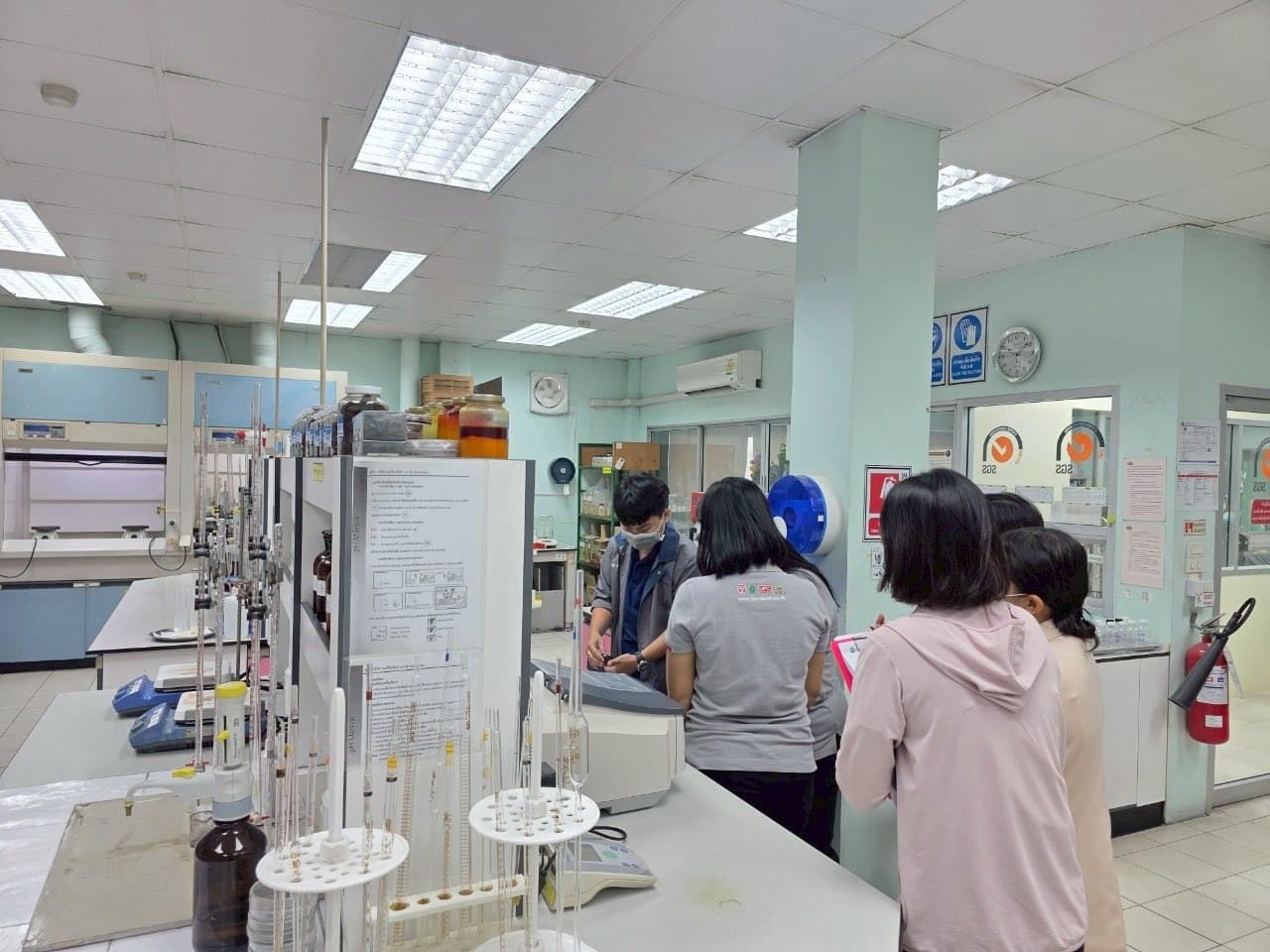
QC Check: Full Certificate of Analysis (COA) generated per batch. GC-FID fatty acid profiling, Karl Fischer moisture analysis, and Lovibond colorimetry performed.
Packaging & Filling
Approved oil is filled on automated lines into PET bottles, tin cans, jerrycans, flexitanks, or IBC totes depending on customer requirements. All packaging materials are food-grade, and fill weights are verified on every unit.
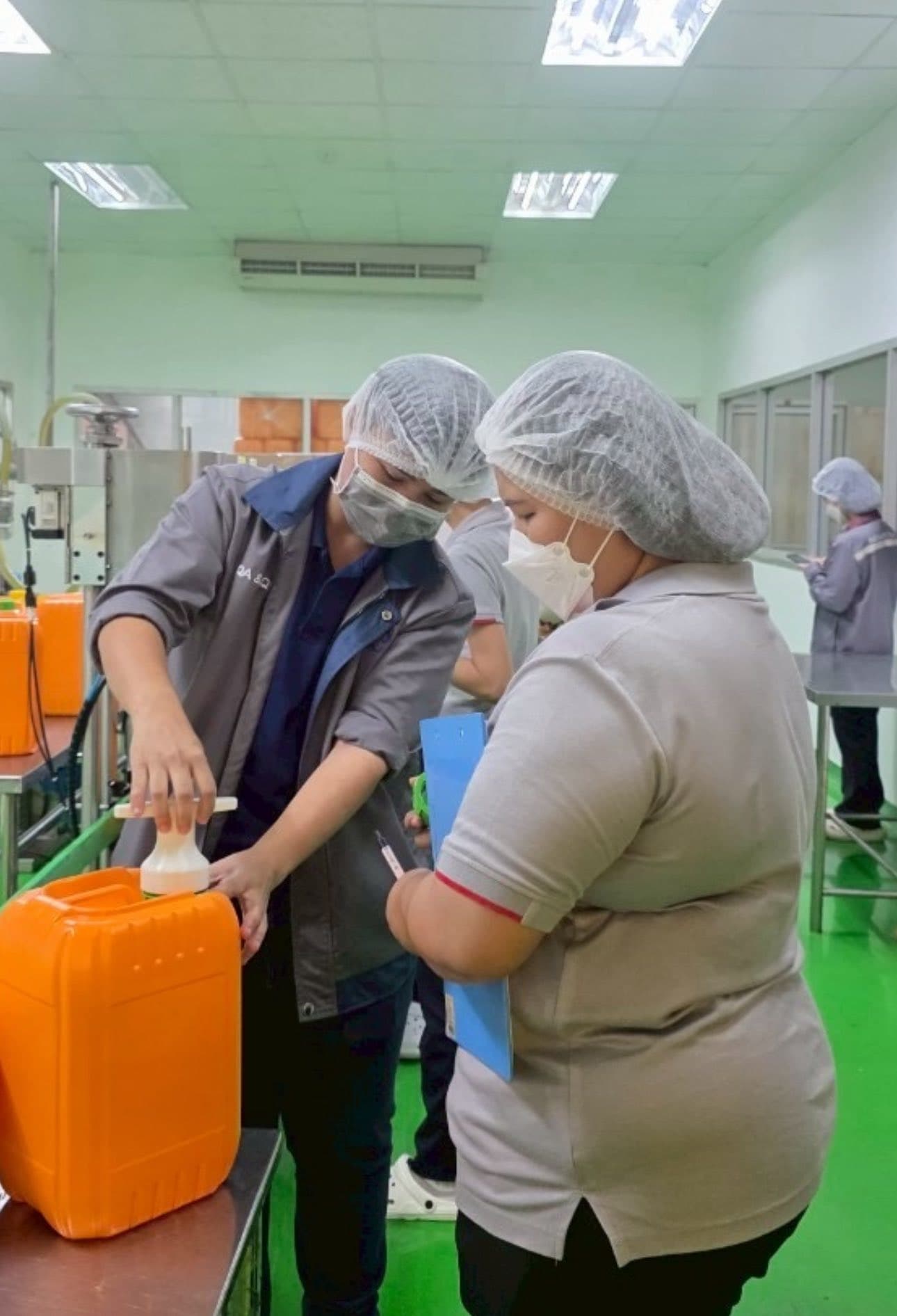
QC Check: Fill weight accuracy ±0.5%. Seal integrity, label accuracy, and batch coding verified per run. Metal detection on all packaged units.
Export & Shipment
Packaged and bulk oil is loaded into containers at major international ports for worldwide shipment. Full export documentation including COA, Certificate of Origin, and health certificates are prepared. Pre-shipment inspection is completed before sailing.
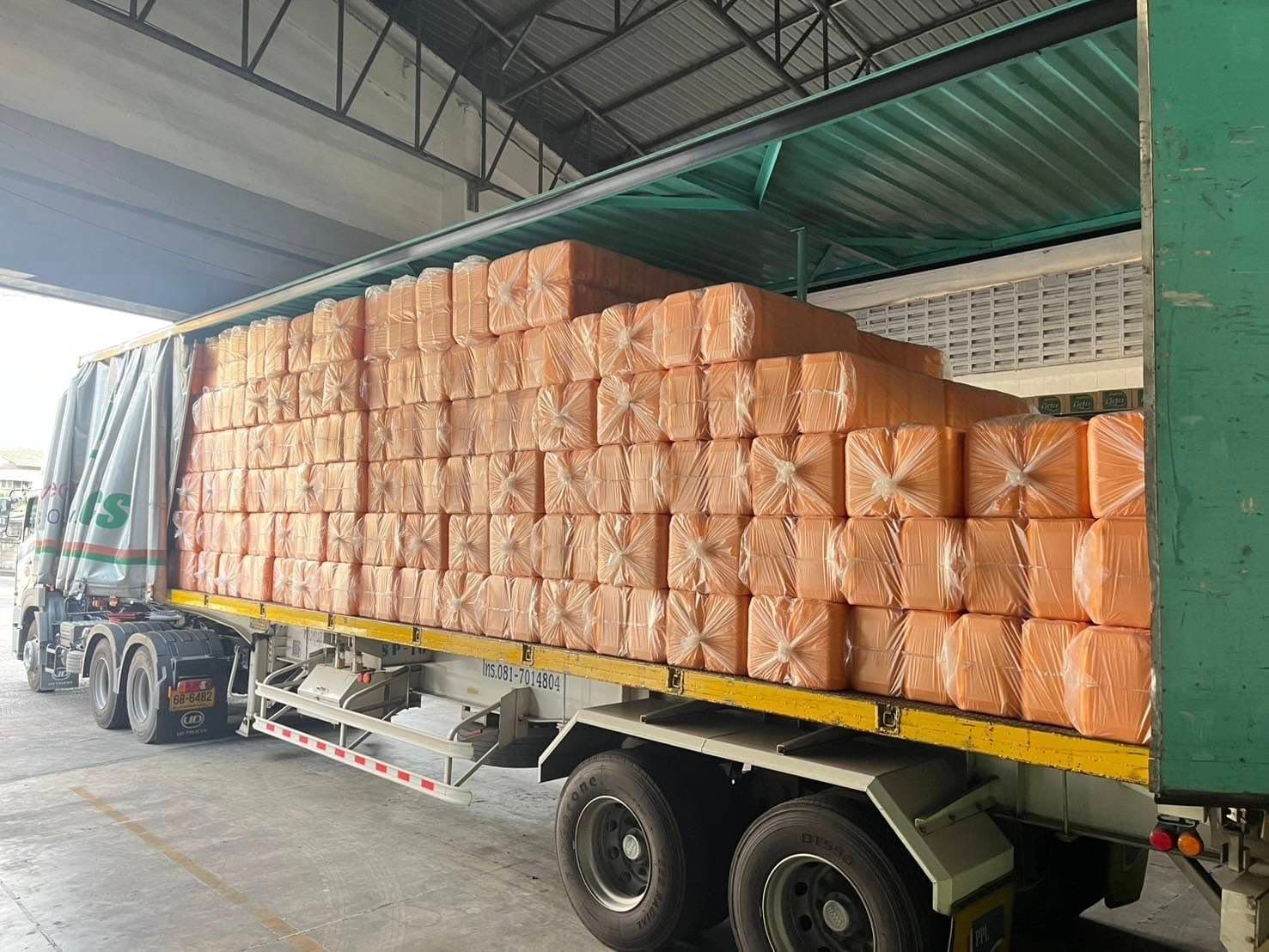
QC Check: Pre-shipment SGS inspection available on request. Container cleanliness verified. Temperature monitoring for sensitive shipments.
Every batch is laboratory tested for FFA, moisture, color, and purity before export.
Our Commitment
Three pillars define how Jit Aree Vegetable Oil operates — from the farms and estates where our raw materials are sourced to the international ports where our containers set sail. We invite audits, inspections, and facility visits at any time.
Transparency
Full traceability from source to destination port. Batch-level documentation and an open-door policy for facility audits at every stage of production.
Traceability
Every batch is tracked from raw material origin through refining, testing, and shipment. Full chain-of-custody documentation ensures you know exactly where your oil comes from.
Quality
Zero-compromise quality at every stage of production. Multi-point quality control with no batch released without laboratory clearance and full Certificate of Analysis.
Quality You Can Trust
Explore our rigorous quality standards or get in touch to discuss your requirements.